The Gap Is Discovered At Claim Time, Which Is Too Late
The problem is not that exclusions exist. Every insurance policy has them and they are the reason coverage is affordable at all.
The problem is when homeowners find out.
A standard policy form contains roughly fifteen to twenty five named exclusions, and the exclusions section typically runs five to ten pages that almost nobody reads.
Which means the moment most people learn what their policy does not cover is the moment they need it to.
Here is the full picture, sorted by whether the gap can be closed, how much it costs to close, and which ones no endorsement in the world will fix.
The Big Six
Start with the exclusions that account for most denied claims.
Flood. Water rising from outside, including storm surge, overflowing rivers, and surface water.
Earthquake and earth movement, which also covers landslides, mudflows, sinkholes, and mine subsidence.
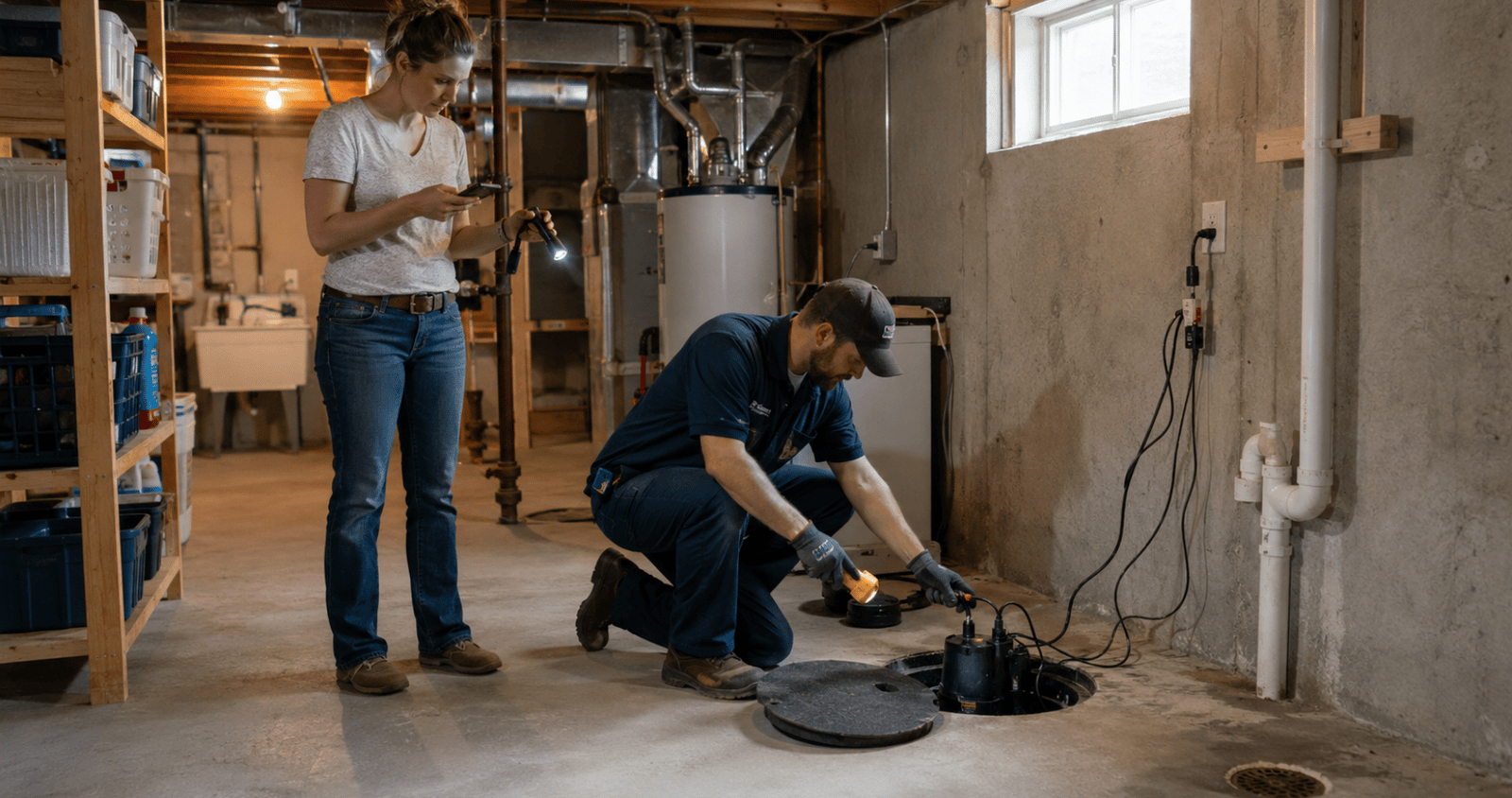
Sewer and drain backup, including sump pump failure.
Mold, beyond a small sublimit, where it results from chronic moisture rather than a sudden event.
Wear and tear, meaning ordinary deterioration and anything traceable to deferred maintenance.
Intentional acts, meaning deliberate damage by you or a household member.
Four of those six can be addressed. Two cannot, and that distinction organizes the rest of this article.
Flood Needs Its Own Policy
The most consequential exclusion and the least fixable through your existing insurer.
Flood damage is excluded under every standard homeowners policy, and most carriers do not offer flood coverage as an endorsement.
Separate coverage is available through the National Flood Insurance Program or a smaller number of private insurers.
Two boundaries worth understanding, because they decide claims.
Water from outside is flood. Rising water, surface water, and water seeping into a foundation.
Water entering through storm damage is generally not. If a windstorm tears a hole in your roof and rain pours in through the opening, that damage is typically covered by your homeowners policy, because wind created the breach.
That distinction is the single most contested point in post storm claims, and it is why documenting how water entered matters enormously.
Earth Movement Is Broader Than Earthquakes
An exclusion whose scope surprises people.
Earth movement typically covers earthquakes, landslides, mudflows, mine subsidence, and sinkholes.
Which means a hillside giving way after heavy rain sits under the same exclusion as a seismic event, and neither is covered by a standard policy.
Three routes exist.
An earthquake endorsement, available from most insurers, extending coverage to certain types of damage under the earth movement exclusion including tremors and shock waves.
A separate earthquake policy, which some homeowners prefer for broader terms.
A difference in conditions policy through a surplus lines insurer, which can cover a wider set of excluded perils together.
State programs also exist in some places, and in high risk areas they may be the primary route.
Note that earthquake deductibles are typically percentage based rather than flat, which makes the coverage poor for small claims and valuable for catastrophic ones.
Water Backup Is Cheap And Excluded
The gap most worth closing for the least money.
Sewer and drain backup, including sump pump overflow, is excluded from standard policies.
A water backup endorsement is widely available and relatively inexpensive, and it covers cleanup and repairs when a sewer line or sump pump floods a basement.
For any home with a basement, a sump pump, or older municipal drainage, this is the endorsement to buy before any other on this list.
Two things to ask when adding it. What the limit is, since these endorsements carry their own cap separate from your dwelling limit. And whether sump pump failure is included, since some forms address sewer backup only.
Mold Sits In Two Categories At Once
The exclusion that confuses people most, because it is partly covered.
Mold is generally covered where it results from a sudden and unexpected accident, such as a burst pipe or an appliance malfunction.
Mold from chronic moisture, humidity, or a slow leak that went unaddressed is excluded, and standard policies apply a small sublimit even where coverage applies.
A mold rider raises that limit, with figures commonly ranging from ten thousand to fifty thousand dollars, and typically broadens the covered causes to include gradual growth such as wet or dry rot.
Which produces a clear rule for homeowners. Report every leak immediately and in writing, because the difference between a covered sudden loss and an excluded gradual one is frequently the date you first raised it.
Maintenance Damage Is Never Covered
The category with no endorsement and no exception.
Insurance is designed to cover sudden, accidental, and unexpected events. Maintaining your home and taking reasonable precautions to protect it is your responsibility.
Which means a policy will not cover damage you could have prevented.
Two examples make the standard concrete. Mold developing gradually from a leak you knew about. And a dead tree falling on your roof after you failed to remove it.
Termite and pest damage sits in this category too, and it is worth stating plainly that no endorsement covers it.
The practical response is behavioral rather than financial. Document your maintenance, address problems promptly, and keep records showing you did.
The Exclusions Nobody Mentions
Beyond the big six, several carrier specific limitations appear in the policy form and in endorsements.
Roof age cutoffs, particularly in hail prone states, where older roofs may be settled at actual cash value or excluded from certain perils entirely.
Cosmetic damage exclusions, meaning dents and marks that do not affect function may not be covered.
Matching restrictions, where an insurer replaces damaged siding or shingles without matching undamaged sections, leaving a visibly patched result.
Vacancy clauses, which restrict or void coverage when a home sits unoccupied beyond a defined period, commonly thirty or sixty days.
Anti concurrent causation language, which can exclude a loss where an excluded peril contributed alongside a covered one.
Percentage wind and hail deductibles, which are not exclusions but function like one on a modest claim.
These vary considerably between carriers even where the core exclusions are identical, and they are the reason comparing insurers by brand tells you very little.
Business Activity Is Excluded
A growing gap as home working became normal.
Business activities run from your home are excluded from standard policies, covering both liability and equipment.
Which matters in two directions.
Liability, if a client trips over a rug during a business visit.
Equipment, if a work laptop or professional gear is damaged in a fire.
A home based business endorsement addresses both for modest cost, and larger operations need a separate commercial policy.
Short term rental activity is treated the same way. Hosting guests for payment is business activity, and it typically requires specialized coverage rather than a standard homeowners policy.
Sublimits Are Not Exclusions
A distinction worth getting right, because the fix differs.
An exclusion means the peril is not covered at all.
A sublimit means the damage is covered but only up to a smaller cap than your overall limit.
Jewelry, watches, furs, firearms, silverware, collectibles, cash, and securities all carry sublimits on standard policies, and those caps are frequently far below what people own.
Two endorsements address it.
Scheduled personal property, listing individual valuable items at agreed values, which removes the category cap and typically covers accidental loss rather than named perils only.
Increased limits on money and securities, raising the cap on cash, bank notes, and deeds.
If you own anything meaningful in those categories, an item by item schedule is the difference between full recovery and a token payment.
Equipment Breakdown Is Its Own Product
A gap that catches homeowners with modern systems.
Appliances and systems that suddenly break down, including a washing machine or an air conditioning unit, are not covered by a standard policy.
Equipment breakdown coverage is available from many carriers as an inexpensive endorsement, and it typically covers mechanical and electrical failure of household systems and appliances.
Service line coverage is a related endorsement worth asking about, covering damage to underground utility lines running to your home, which are the homeowner's responsibility in most places and expensive to excavate.
Power Surges Depend On The Cause
A nuance similar to the mold situation.
Where a utility causes a power surge that damages home electronics or appliances, coverage may not apply.
Where lightning causes the surge, it is generally covered, since lightning is a named peril on every standard policy.
Equipment breakdown coverage frequently closes the first gap, which is another argument for adding it if you have meaningful electronics or modern HVAC equipment.
War, Nuclear, And Government Action
Standard exclusions on every property policy, listed for completeness.
These appear on every form, they are not negotiable, and no endorsement addresses them. They exist because the losses would be uninsurable at any price.
Ordinance and law coverage is a related and genuinely useful endorsement worth mentioning here. Where building codes have changed since your home was built, rebuilding to current code can cost substantially more than replacing what was there, and a standard policy may not fund the upgrade. That endorsement does.
The Endorsements Worth Pricing
Consolidated, in rough order of value for most homes.
Water backup, inexpensive and addressing the most likely water event.
Scheduled personal property, for anything above a category sublimit.
Equipment breakdown, for systems and appliances.
Ordinance and law, for older homes in areas with updated codes.
Home business, if any income is earned from the property.
Service line, for underground utility lines.
Mold rider, where humidity or basement conditions warrant it.
Identity theft, inexpensive and increasingly offered.
Separate policies rather than endorsements for flood and, in many cases, earthquake.
How To Read Your Own Policy
The instruction that makes this article actionable rather than general.
All major carriers exclude broadly similar perils because they build on the same standard policy forms. What varies is the available endorsements and the carrier specific exclusions added in high claim states.
Which means the only reliable way to know what your policy excludes is to read your declarations page and the policy form together rather than comparing carriers by reputation.
Find the exclusions section of the policy form, not the declarations page, and read it once. It is the part nobody reads and it is where every denied claim originates.
Then ask your agent for a written coverage gap analysis. A good agent will run one at renewal, and asking for one costs nothing.
Three Things To Do This Month
Add water backup coverage if you have a basement or a sump pump. It is the cheapest meaningful gap on most policies.
Schedule anything above a sublimit, including jewelry, collectibles, and firearms, with current appraisals.
Read the exclusions section of your policy form, then ask your agent for a written gap analysis at renewal.
Every homeowner discovers their exclusions eventually. The only variable is whether that happens on a quiet afternoon with a policy document, or on the phone with an adjuster explaining why the answer is no.
This article is for general educational purposes and is not insurance advice. Exclusions, sublimits, endorsement availability, and carrier specific restrictions vary significantly by insurer and by state. Read your own policy form and confirm details with your agent.
Some images in this article were generated using artificial intelligence and are for illustrative purposes only.