A Reason Is Not The Same As A Correct Reason
Here is the sentence that should shape how you read a denial letter.
Just because an insurance company provides a reason for denying your claim does not mean that reason is correct.
Adjusters work from a scope built during one inspection, under time pressure, applying policy language to facts they gathered quickly. They get things wrong, and the process for correcting that is built into your own policy and into state law.
The environment makes this more likely rather than less. Catastrophe claims now account for forty two percent of all homeowners claims, severity rose nine percent in a recent year, and homeowner complaints jumped twelve point four percent from sixteen thousand two hundred sixty four to eighteen thousand two hundred eighty two.
Overall trust in insurers has fallen to thirty seven percent while premiums rise.
None of that means your denial was wrong. It means the volume of contested claims is high and the process for challenging one is well established.
Here are your rights, in the order you use them.
Right One, A Written Explanation
The foundation, and it is frequently where a denial fails on its own terms.
Under most state laws, your insurer must provide a written statement explaining why the claim was denied, citing specific policy provisions and how they apply to your situation.
Which produces a useful test. A vague or boilerplate denial letter may itself be legally invalid.
If your letter says the claim falls outside coverage without identifying the provision, or cites a section without explaining how the facts fit it, request a compliant written explanation before doing anything else.
Two things to extract from a proper letter.
The exact provision relied on, which you should then read in your own policy rather than accepting the characterization.
Any appeal deadline, which is short and which runs regardless of what else is happening.
Why Claims Actually Get Denied
Knowing the category determines whether an appeal is worth the effort.
Late filing, which is among the most common and is entirely preventable.
Non payment of premiums, meaning the policy was not in force on the date of loss.
Poor documentation, where the insurer says the loss was not adequately substantiated.
Policy exclusions, where the loss genuinely falls outside coverage.
Poor maintenance, where deferred upkeep is identified as the cause.
An incorrect date of loss, which sounds administrative and is a genuine denial reason.
Perceived fraud, where something in the claim did not match.
Two of those, documentation and disputed causation, are where appeals succeed most often. A genuine exclusion or a lapsed policy is harder ground.
That date of loss item deserves emphasis. Guidance specifically advises being vigilant about it, because an incorrect date can invalidate an otherwise valid claim.
Denial And Underpayment Are Different Problems
A distinction that determines which help you need.
A denial means the insurer refuses to pay anything for the claimed loss.
An underpayment means they acknowledged the claim and paid less than you believe the damage is worth.
Both can be disputed and the strategies differ.
Underpayment disputes frequently benefit most from a public adjuster, since the argument is about the scope and value of damage.
Outright denials more often require an attorney, particularly where bad faith is involved, since the argument is about coverage rather than amount.
Identify which one you have before deciding who to call.
Right Two, Appeal Internally
The step that must come first, and it usually must be exhausted before litigation.
Every homeowner policy includes an internal appeals process, separate from legal action.
File in writing rather than relying on phone calls, and structure the appeal around four elements.
A point by point response to each reason given, referencing the actual policy language rather than arguing generally.
All supporting documentation, including photographs, independent assessments, repair estimates, and expert reports.
A specific demand, stating exactly what you want. Approve the claim, reopen the investigation, or pay a stated amount.
Proof of delivery, by certified mail or another method producing a receipt.
Keep a copy of everything you send, and request appeal timelines in writing so the clock is documented on both sides.
Get An Independent Assessment First
The step that makes an appeal persuasive rather than merely argumentative.
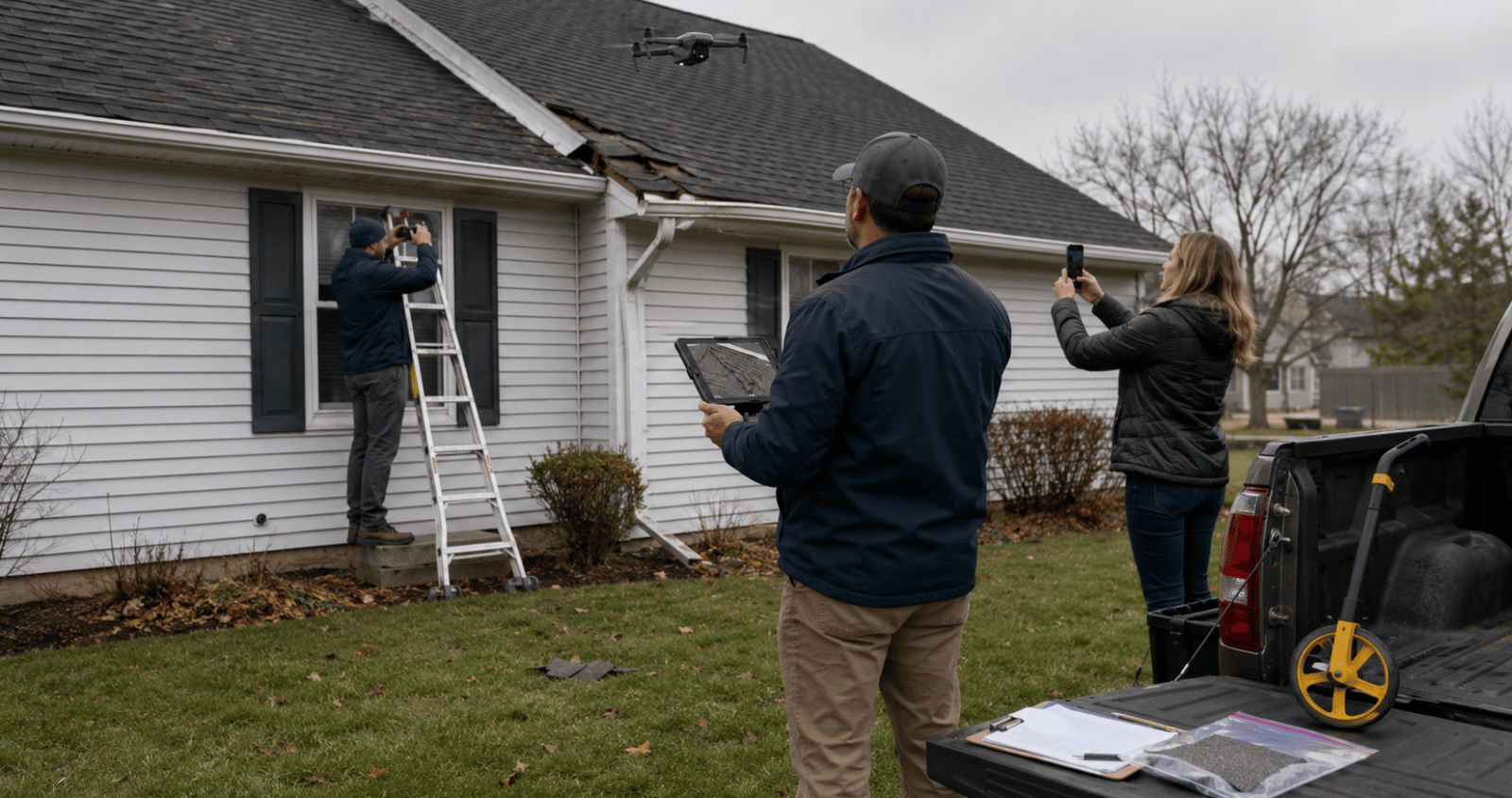
A professional assessment often reveals that damage is more extensive, and more clearly covered, than the insurance company's adjuster reported.
Which is the practical answer to a denial resting on the scope or cause of damage. Rather than disputing the adjuster's conclusion, you supply a competing professional conclusion.
Two things to obtain.
Independent repair estimates, which guidance suggests comparing against the insurer's offer as a matter of routine rather than only when disputing.
A specialist report where causation is contested, such as an engineer's assessment on structural or water damage claims.
Those documents are what convert an appeal from a complaint into evidence.
Right Three, The Appraisal Clause
An option inside your own policy for disputes about amount rather than coverage.
Most policies include an appraisal clause allowing each side to hire an independent appraiser, with a neutral umpire resolving disputes between the two assessments.
It is described as often faster and cheaper than litigation.
Two limits worth knowing.
It addresses value rather than coverage. Where the insurer says the loss is not covered at all, appraisal is the wrong tool.
It costs money, since you pay your appraiser and share the umpire's fee.
For a dispute about the cost of repairing acknowledged damage, it is frequently the right route and it is written into a policy most homeowners have never read.
Right Four, The Regulator Complaint
Free, and it triggers something a phone call cannot.
Each state has a regulatory body overseeing insurers, and filing a complaint triggers a formal review. Where a denial was improper, the department can order a reconsideration or fine the insurer.
Many state departments also offer mediation services for homeowners insurance disputes, which resolves matters without litigation.
Filing is particularly advisable where you believe a claim was denied in bad faith, though departments assist regardless of the reason.
The department can also direct you to other resources, which is useful when you are unsure what your next step should be.
Three practical points.
It costs nothing and requires no attorney.
It creates a regulatory record, which matters if the dispute escalates.
Ask about mediation specifically, since not every department advertises it prominently.
Regulators are also actively examining claims handling. One state department announced a market conduct examination targeting a major insurer's claims practices, specifically reviewing how adjusters document denials and whether written explanations meet the legal threshold required by state law.
Right Five, Sue For Bad Faith
The final route, and it changes the size of the case.
Bad faith occurs where an insurer denies, delays, or underpays a valid claim without a reasonable basis, or fails to investigate properly.
Recognized patterns include wrongful denials, unreasonable delays, and deliberate misrepresentation of policy terms. One guide identifies delaying payment beyond ninety days as a bad faith practice.
Where established, damages can include the claim amount, attorney fees, and punitive damages, which is why a wrongful denial can become a case worth considerably more than the original claim.
Standards vary by state and some set a demanding bar. This is territory for an attorney rather than a self help remedy.
Public Adjuster Or Attorney
Choosing between them, since both cost money and they suit different problems.
A public adjuster works for homeowners rather than insurers, advocates for a fair settlement, and can produce an independent damage assessment. They are the right choice when the dispute is over the claim amount.
An attorney is the better choice when the insurer denies the claim entirely, engages in bad faith, or makes a lowball offer, and when negotiations have stalled or litigation is the only remaining path.
An attorney specializing in insurance claims will charge an hourly rate and fees in many cases, and that cost should be weighed against the potential settlement and the risk of a second denial.
Many bad faith cases are handled on contingency, and first consultations are frequently free, which makes an initial conversation worth having before assuming the cost is prohibitive.
Maintenance Records Are Your Defense
The single most useful preparation, and it protects against the hardest denial category.
Maintenance records are your strongest defense against neglect based denials.
Which matters because poor maintenance is a common denial reason and it is the one that turns on evidence you either have or do not have.
Four things worth keeping in one place.
Service records for roof, plumbing, electrical, and heating systems.
Receipts for repairs and replacements, with dates.
Photographs taken periodically showing condition over time.
Written reports you sent about any issue, since a documented prompt report is the opposite of neglect.
An insurer arguing that damage developed gradually has a much harder position against a homeowner who can show the system was serviced and the issue was reported.
Two Silent Claim Killers
Worth naming, because both operate without anyone noticing until a claim.
Late filing. Policies contain reporting deadlines and state statutes set outer limits. A claim filed after the window can be denied on that basis regardless of merit.
Vacancy clauses. Most policies restrict or void coverage when a property sits unoccupied beyond a defined period, commonly thirty or sixty days. Renovation periods, extended travel, and second homes all trigger it.
Both are avoidable with a phone call. Neither is recoverable afterward.
Review your policy annually specifically for these two, alongside file promptly and keep up with maintenance, which is the guidance offered for avoiding denials generally.
Keep Demanding Updates
A practical point about process rather than rights.
Disputes and multiple parties add weeks to a claim, and guidance suggests demanding regular updates from your adjuster to keep things moving.
Which is more than a matter of impatience. Documented delay supports both a regulator complaint and a bad faith argument, and a claim that goes quiet frequently stays quiet.
Log every call with a date and a name, and follow important conversations with a short email summarizing them. That converts a memory into a record and creates the timeline any escalation will rest on.
The Order To Work In
Seven steps.
Read the denial letter and identify the exact provision, the reasoning, and the deadline.
Request a compliant written explanation if the letter is vague, since a boilerplate denial may be legally invalid.
Get an independent assessment, which frequently finds damage more extensive and more clearly covered than the insurer reported.
File a written internal appeal by certified mail, addressing each stated reason point by point with a specific demand.
Invoke the appraisal clause if the dispute is about value rather than coverage.
File a free complaint with your state department, and ask about mediation.
Consult an attorney where the denial is total, bad faith is suspected, or negotiations have stalled.
Before You Accept The Answer
Read the letter for the specific provision rather than the summary. Compare the insurer's estimate against an independent one. Appeal in writing with proof of delivery.
Then use the free step, because a regulator complaint costs nothing, creates a record, and in some states leads to mediation that resolves the matter without a lawyer.
A denial letter is written to sound final. It is the opening position of a company that is required to justify it in writing, to a regulator that will ask them to explain, under a process built into the policy you already own.
This article is for general educational purposes and is not insurance or legal advice. Appeal procedures, deadlines, bad faith standards, mediation availability, and regulator powers vary by state and by policy. Consult your state insurance department or an attorney about your situation.
Some images in this article were generated using artificial intelligence and are for illustrative purposes only.