The Flood Map Is Almost Useless In Pennsylvania
Here is a number that should end most arguments about whether flood coverage is worth it here.
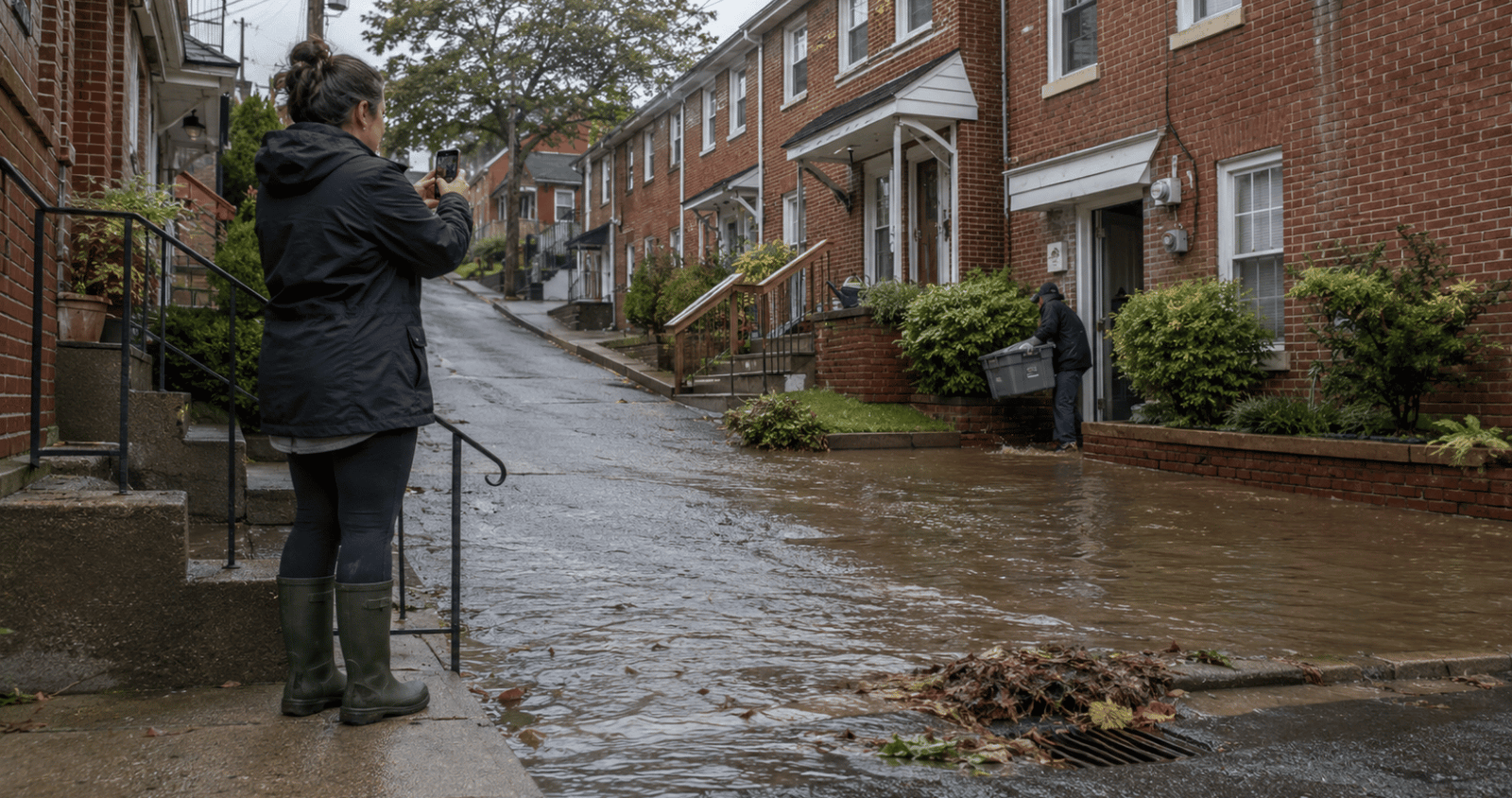
In a letter to FEMA, Pennsylvania's governor noted that ninety six percent of flooding in the state occurred outside established flood plains.
Ninety six percent. Not a quarter. Not half. Nearly all of it.
A state emergency management official put it more plainly, saying just about anywhere in the commonwealth is susceptible to flooding. An insurance agent quoted in the same coverage was blunter still. With the ground as saturated as it gets here, you can flood anywhere.
So when someone tells you they checked the map and they are not in a flood zone, that is not the reassurance it sounds like. Not in this state.
What Ida Cost People Who Skipped It
The 2021 remnants of Hurricane Ida caused catastrophic flooding across eastern Pennsylvania. Afterward, the numbers separated cleanly.
The average FEMA disaster payout to Pennsylvania residents was around two thousand three hundred dollars.
The average payout to people who had flood insurance was about forty five thousand.
Same storm. Roughly twenty times the difference.
Federal disaster aid is not a substitute for coverage and was never designed to be. It is a floor, and a low one.
Pennsylvania Floods More Than Anywhere
This is not a reputation the state advertises, but flooding affects Pennsylvania more than any other state in the country.
It is not coastal surge. It is rivers. The Susquehanna, the Delaware, the Schuylkill, the Monongahela, and hundreds of creeks that behave fine for years and then do not.
Add the remnants of Atlantic hurricanes, which regularly push inland and dump rain on already saturated ground, and you get the pattern. A storm that made landfall in Louisiana can flood a basement apartment in Philadelphia four days later.
Standard renters insurance excludes all of it.
Buying Flood Coverage Here
A few practical details worth knowing.
Renter policies cover contents only, which makes them far cheaper than the homeowner version. Federal coverage for contents caps at one hundred thousand dollars, which sits above what most renters own.
Timing matters. Federal flood policies carry a thirty day waiting period. Private flood options typically wait ten to fourteen days. Pennsylvania floods most often in spring, so the sensible window to buy is winter.
That is worth repeating. Buy it in January and you are covered by April. Buy it in April and you may not be.
Philadelphia renters get a discount. The city joined FEMA's Community Rating System in April 2026, which provides a fifteen percent discount on federal flood policies city wide.
Compare private options if you rent near any river. Private flood coverage is worth quoting against the federal program, particularly given the shorter waiting period.
What Federal Aid Actually Does
Since so much of this rests on the gap between disaster aid and insurance, it is worth being clear about what federal assistance is.
It is not a payout. It is help getting through the next few weeks.
Individual assistance after a declared disaster typically covers urgent needs. Temporary housing, essential repairs to make a place habitable, some replacement of critical items. It is means tested, it is capped well below what a full loss costs, and it arrives on a bureaucratic timeline.
The Ida figures make the shape of it obvious. Roughly two thousand three hundred dollars, on average, against forty five thousand for people with a policy.
Two thousand three hundred dollars does not refurnish an apartment. It covers a hotel and some clothes.
None of that is a criticism of the program. It was built to prevent hardship, not to make people whole. The mistake is treating it as a reason to skip coverage.
Renting Near A River
If your address is within sight of water, a short checklist.
Find out how the block has flooded before. Neighbors who have been there a decade know more than any map. Ask.
Ask which floor you are on and what is below you. Ground floor and garden units take water first, and a basement storage cage is often where people keep exactly the things they would miss.
Ask your landlord directly whether the building has flooded. In Pennsylvania there is no statewide flood history disclosure requirement comparable to some other states, so the question has to come from you.
Get both quotes. Federal and private. The waiting periods differ, the pricing differs, and for a renter insuring contents only, neither is expensive.
Move what matters upstairs. Documents, hard drives, anything irreplaceable. Storage decisions cost nothing and they are the part you fully control.
The Claim You Are Most Likely To File
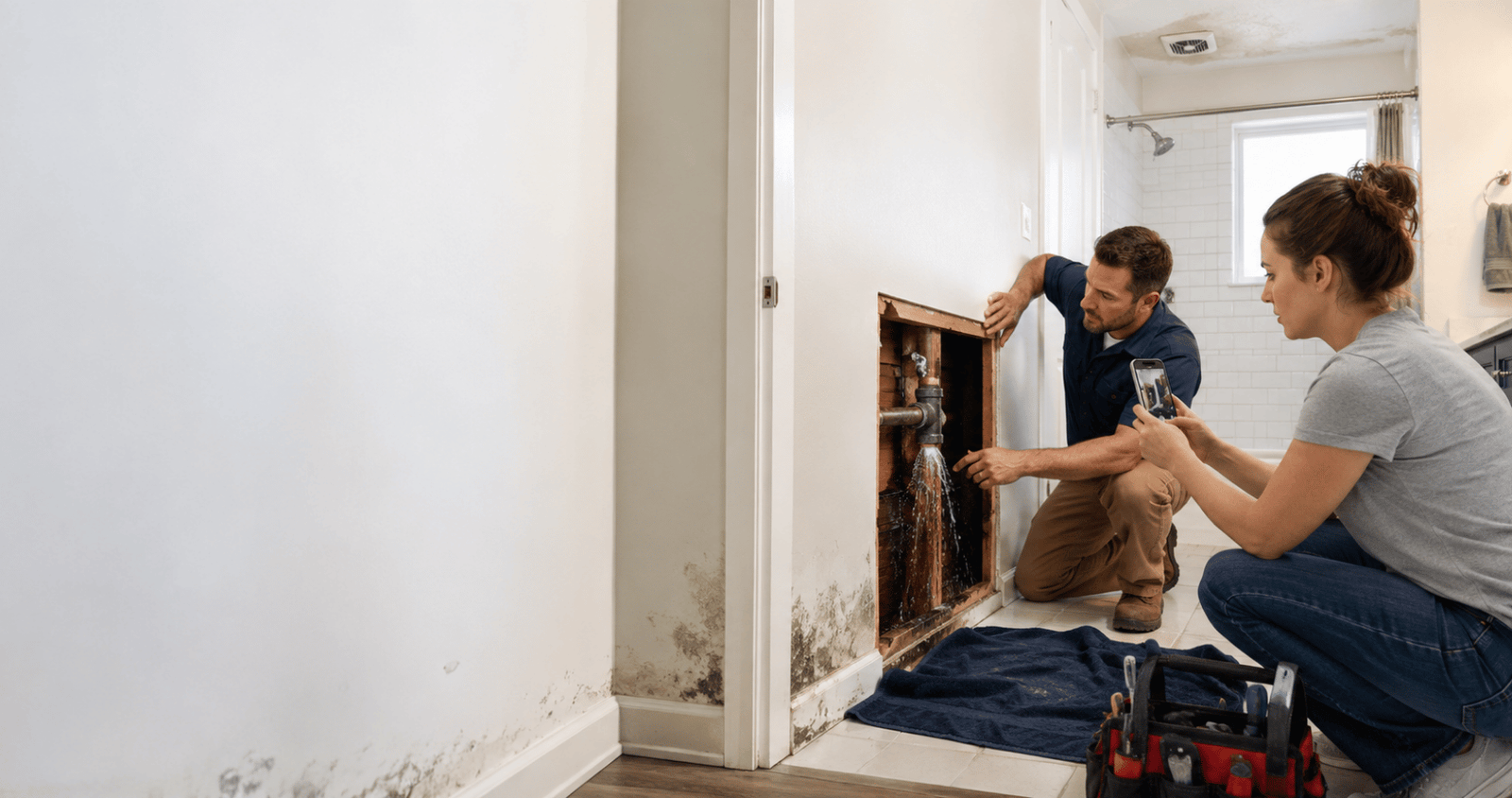
Flooding gets the headlines. Frozen pipes do the everyday damage.
Pennsylvania winters make burst pipes the most common claim type in the state, and the good news is that your policy handles them.
A pipe that freezes and bursts suddenly is covered for damage to your belongings. So are appliance leaks and other internal plumbing failures. Water from inside the building, arriving suddenly, is the covered category.
Water from outside is not, regardless of season.
One thing that catches people. A burst pipe can destroy furniture, electronics, and flooring before you even notice the leak, particularly if it happens behind a wall or while you are away.
If you leave for an extended stretch in winter, most policies expect you to maintain heat or shut off and drain the water. Skipping that can turn a covered claim into a denied one.
Old Buildings Are The Backdrop To All Of This
Pennsylvania's rental stock is old. Row homes in South Philadelphia, converted Victorians in University City, duplexes in Pittsburgh's Lawrenceville, buildings that predate most of what modern plumbing codes assume.
Aging properties, older construction, and decades old plumbing produce mold and surprise water damage. In shared row homes and older apartment units, even minor damage can produce large repair bills.
Two things follow.
If you rent in a building with aging plumbing, the frozen pipe risk alone justifies carrying coverage. That is not a sales line, it is arithmetic.
And report anything dripping in writing the day you notice it. In old buildings the difference between a covered sudden loss and a denied gradual one is often just the date on an email.
Theft Is Steady Everywhere
Pennsylvania recorded roughly one thousand four hundred thirty five property crimes per hundred thousand residents in 2024. Philadelphia has the state's highest rate, and Pittsburgh's property crime has been climbing.
Electronics and jewelry are the most commonly stolen items, which matters because jewelry carries a category cap on standard policies, usually far below your total coverage.
Theft is covered everywhere, including away from home. Photograph your things and record serial numbers, because documentation decides payouts.
One Gap Worth Naming
A small but growing one. Standard renters insurance generally excludes e-bike theft.
E-bikes are expensive, portable, and increasingly common in Philadelphia and Pittsburgh. If you own one, ask your insurer directly rather than assuming it falls under personal property like a regular bicycle.
Some carriers will schedule it. Some will not cover it at all.
What Pennsylvania Renters Pay
This is one of the more affordable states, which makes the coverage gap harder to justify.
Statewide, renters average somewhere around one hundred twenty four dollars a year, roughly ten dollars a month, which sits below the national average.
City figures vary predictably.
| City | Approximate Monthly Cost |
|---|---|
| Lancaster | 11 to 14 |
| Pittsburgh | 12 to 15 |
| Allentown | 14 to 17 |
| Philadelphia | 16 to 19 |
Other analyses put Philadelphia near sixteen dollars a month and Pittsburgh near twelve, which lines up.
Philadelphia renters commonly carry around fifteen thousand dollars in personal property coverage at those prices, with some carriers coming in around thirteen dollars a month.
The Carrier Spread Is The Real Lever
Here is the number worth acting on.
A comparison of seven carriers offering renters coverage in the Philadelphia area found annual premiums ranging from seventy nine to two hundred fourteen dollars.
That is nearly triple, for coverage in the same city.
Discounts stack too. Bundling typically runs five to fifteen percent, security features two to ten, claim free history five to twenty, good credit five to fifteen, and paying in full another five to ten. Combining several can cut a premium by twenty percent or more.
Twenty minutes of quoting beats almost any other decision on this page.
Setting Your Coverage
Pennsylvania has close to two million renters, and Philadelphia alone sees roughly forty seven percent of households renting.
A lot of those policies were bought at whatever default a quoting screen offered.
Walk your apartment and total replacement costs. Furniture, mattress, electronics, kitchen equipment, all your clothing, winter gear. Fifteen thousand dollars is a common Philadelphia coverage level and it is genuinely low for a furnished two bedroom.
Then check the settlement basis on your declarations page. Actual cash value pays depreciated value. Replacement cost pays what a comparable new item costs today.
And look at liability. In row homes and shared older buildings, a kitchen fire does not stay in one unit. One hundred thousand is the usual default and three hundred thousand typically costs a few dollars a year more.
What The Law Says
Pennsylvania does not require renters insurance. Landlords do, frequently, as a lease term, and that requirement is enforceable.
Read the insurance clause before shopping and buy to match it, then decide separately whether the minimum they require is actually enough for what you own. It usually is not.
Before Spring
Three things, and the first one is genuinely time sensitive.
Buy flood coverage in winter if you need it. Thirty day federal waiting period, spring flood season, and ninety six percent of Pennsylvania flooding happening outside mapped zones. That combination makes January a better month than April.
Confirm your winter absence obligations. Ask your insurer what your policy requires if the unit is empty during cold weather. Most renters have never asked.
Video every room with closets and drawers open, capturing serial numbers, and store the file in cloud storage.
The Short Version
Pennsylvania renters insurance is cheap, it covers the winter perils well, and it does nothing at all about the risk this state faces more than any other.
The flood map will not tell you whether you need coverage here, because almost none of the flooding happens where the map says it should.
Price a renter flood policy this winter. Then check your liability limit and film your apartment. That is the whole list, and it costs less than most people spend on coffee in a month.
This article is for general educational purposes and is not insurance advice. Cost figures reflect published surveys with differing coverage assumptions and will not match your quote. Coverage terms, waiting periods, and exclusions vary by insurer. Confirm details with your carrier or the Pennsylvania Insurance Department.
Some images in this article were generated using artificial intelligence and are for illustrative purposes only.