You Are Probably Weighing The Wrong Risk
Nearly two thirds of American renters skip this coverage. Among renters under thirty five, closer to three quarters.
Ask them why and the answer is almost always the same. I do not own anything worth insuring.
That reasoning is understandable and it is also aimed at the wrong target. Your belongings are the small risk. The one that can actually ruin you is sitting quietly in a different section of the policy, and almost nobody reads that far.
The Misconception Underneath All Of It
Survey work found that fifty seven percent of renters either did not know who was responsible for theft or property damage, or believed it was the landlord.
That single number explains most of the gap.
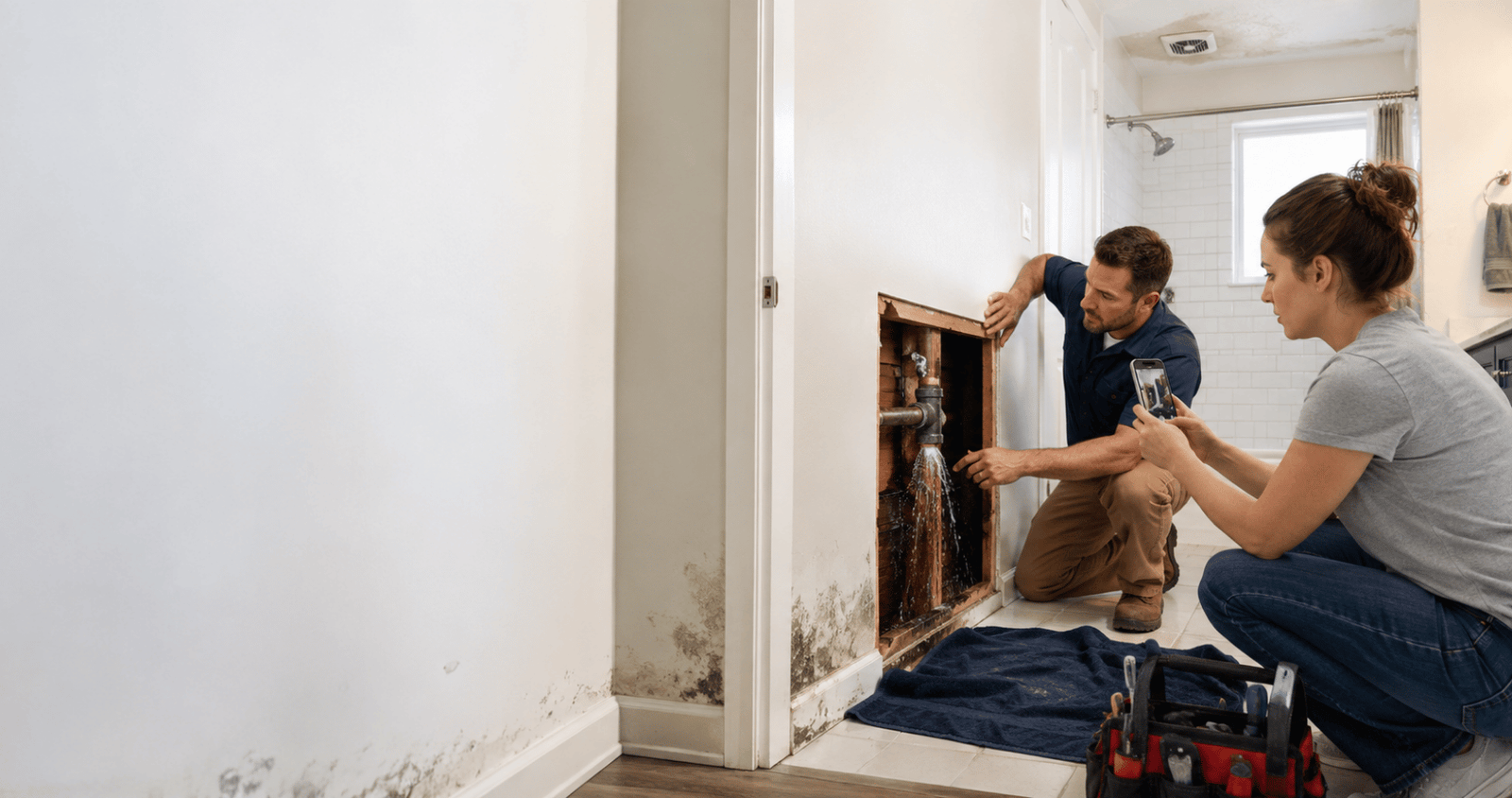
Your landlord's insurance covers the building. Walls, roof, plumbing, structure. It covers their financial interest in the property. It does not cover your laptop, your clothes, your furniture, or your temporary hotel bill when the unit becomes unlivable.
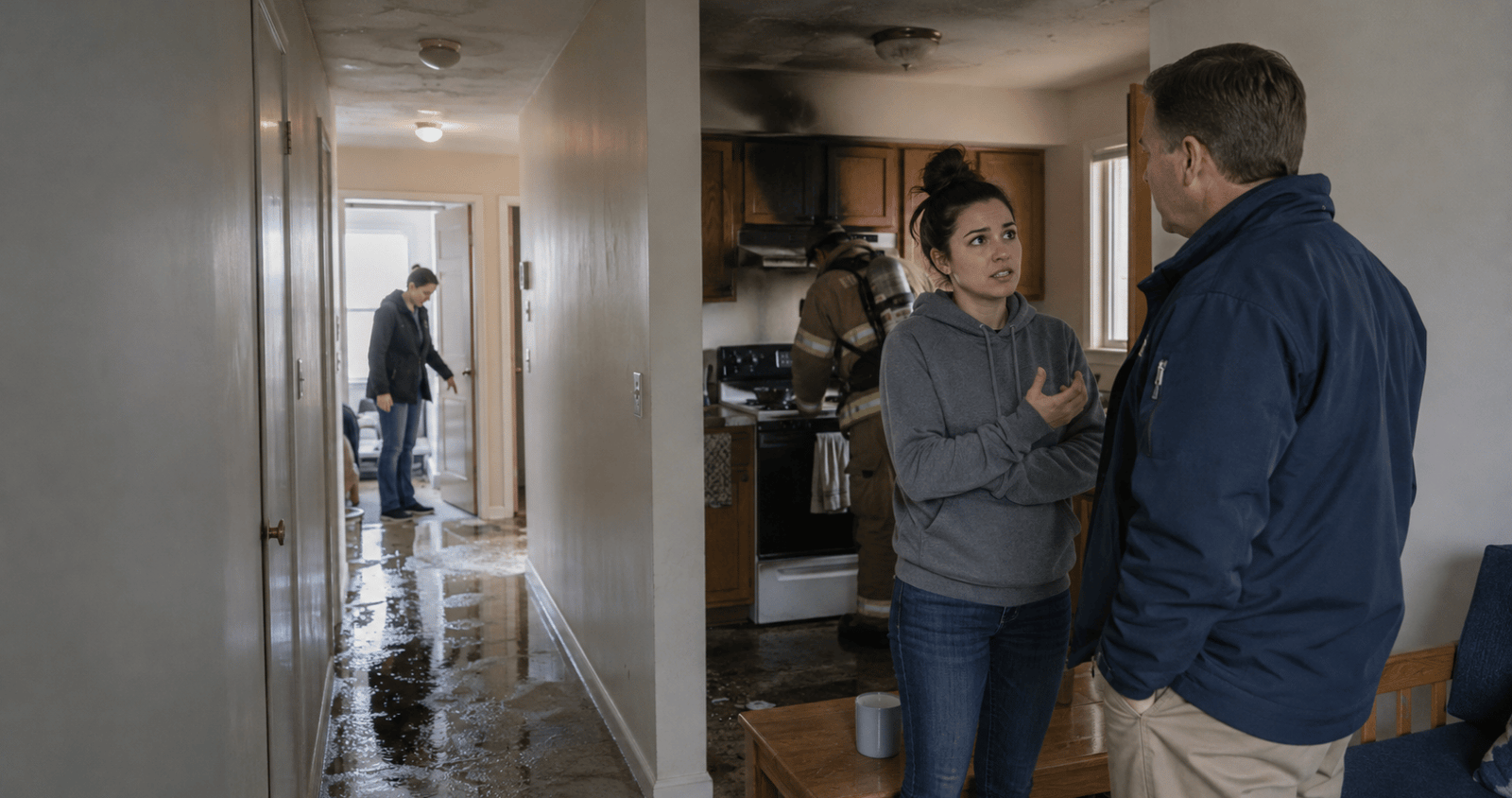
If the building burns down tomorrow, the landlord gets made whole and you get nothing.
Test The Belongings Argument Honestly
Walk your apartment and add up replacement prices. Not what you paid. What buying it again today costs.
Laptop. Phone. TV. Any console. Bed, couch, table, chairs. Every piece of clothing in the closet. Kitchen equipment. Bike. Tools.
Industry estimates put typical renter belongings somewhere around twenty thousand dollars. Most people guess five and land near twenty once they actually count.
Do the walk before you decide. It takes ten minutes and it usually settles the question on its own.
The Risk Nobody Prices Correctly
Here is where the argument really turns.
Leave a pan unattended and start a kitchen fire. The damage does not stop at your unit. Smoke and water reach the apartments beside and above you, and the landlord's insurer will come after you for the cost.
A guest trips on your rug and needs surgery. Your dog bites someone at the park. Those claims routinely run into tens of thousands of dollars, and dog bite claims specifically average somewhere near sixty thousand.
None of that has anything to do with owning nice furniture. It is about being a person who lives somewhere and occasionally makes mistakes.
Liability coverage handles it, including the legal defense, which is often the larger bill. Nobody buys renters insurance for this reason. It is the reason that matters most.
What It Actually Costs
National averages land somewhere around one hundred fifty to one hundred eighty dollars a year. Roughly fifteen dollars a month for a standard policy with twenty thousand in property coverage and one hundred thousand in liability.
Prices swing by state. Gulf Coast states run higher because of disaster exposure. Inland states run lower.
Credit matters more than most renters expect. Poor credit can triple the premium, with some analyses showing four hundred eighty three dollars annually against one hundred fifty three for excellent credit.
The Best Value On The Whole Policy
This is worth its own section because it is genuinely surprising.
Raising your liability limit from one hundred thousand to three hundred thousand costs roughly one dollar a month. Going from three hundred thousand to five hundred thousand costs about another dollar.
Meanwhile, raising your personal property coverage costs considerably more.
So the cheapest thing on the policy is protection against the most expensive scenario. Almost nobody adjusts it, because the default is a hundred thousand and nobody is prompted to think about it.
If you buy a policy, buy it and then immediately raise the liability limit. That is the whole trick.
When Skipping It Is Defensible
Most articles will not say this, so here it is.
If you sleep on a mattress on the floor, own a two year old phone and nothing else, have no pets, never host anyone, and your lease does not require coverage, the case is genuinely weaker.
Even then the liability exposure remains. A kitchen fire does not check your net worth first. But if money is truly tight this month, the honest answer is that the decision is closer than the internet pretends.
For nearly everyone else, at fifteen dollars a month, it is not close.
Your Lease May Have Already Decided
Before you weigh any of this, read your lease.
Most property managers now require renters insurance as a lease condition, commonly one hundred thousand to three hundred thousand in liability, and they will usually want listing as an additional interest on the policy.
State law rarely requires coverage. Your lease is a contract and it is enforceable regardless. Violating it can put your tenancy at risk, which turns the question from optional to settled.
The Version That Fits In One Paragraph
Add up what replacing your belongings would cost, then remember that the belongings are not really the point. The kitchen fire that reaches three apartments and the guest who breaks a hip are what this coverage exists for, and neither cares how much your furniture is worth.
Get a quote, check your lease, and if you buy, spend the extra dollar a month on a higher liability limit. That last step is the one almost everyone skips and the one most likely to matter.
This article is for general educational purposes and is not a substitute for reviewing your actual policy documents or your lease. Coverage terms, pricing, and requirements vary by insurer and by state.
This article includes AI-generated illustrative images, and you can request any changes or additions by sharing how you would like to proceed.