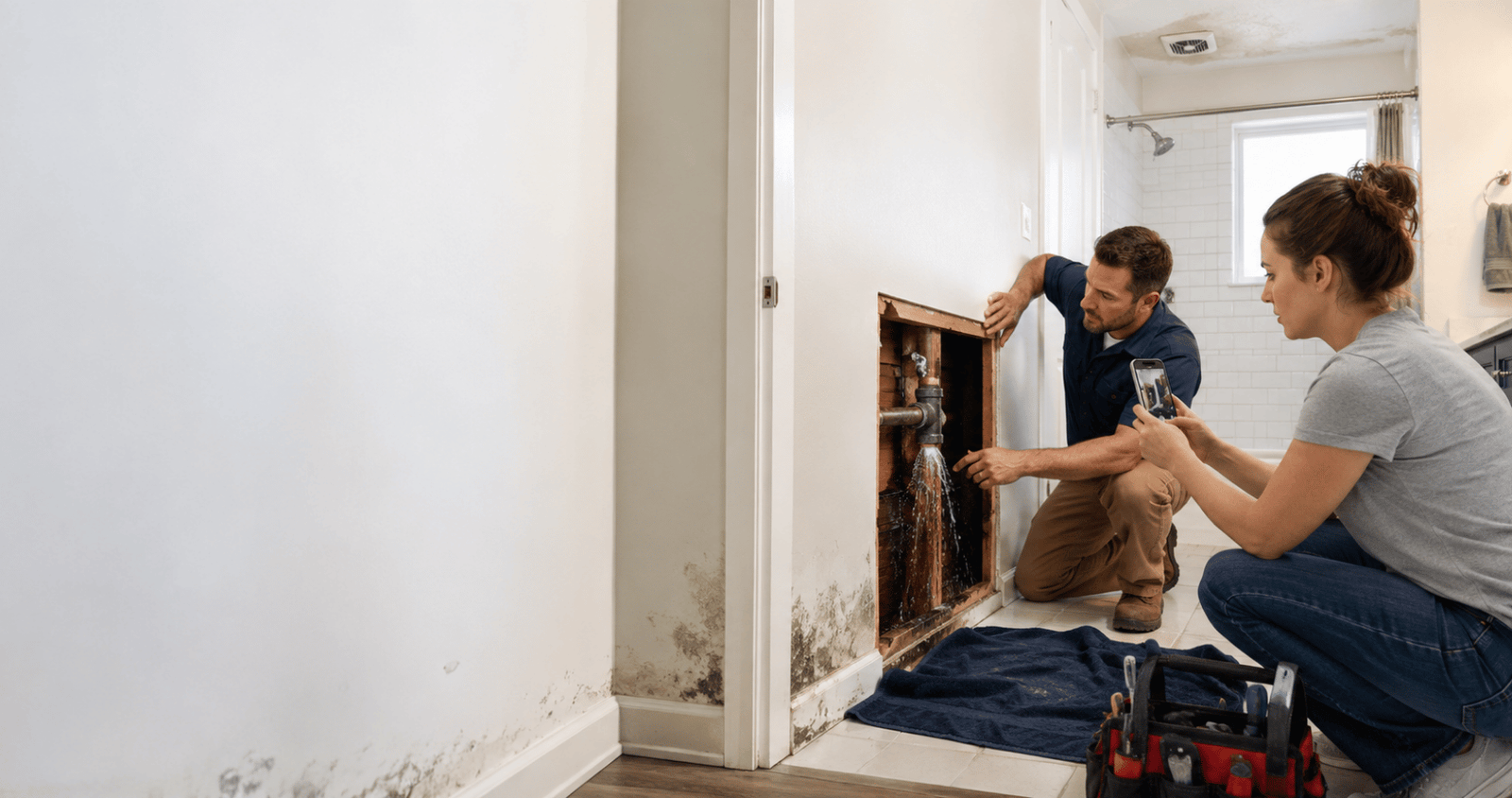
Florida's Insurance Crisis Barely Touches Renters
Florida homeowners pay the highest property insurance rates in the country, commonly three thousand to five thousand dollars a year, in a market that has been genuinely unstable for years.
Florida renters pay around two hundred twenty five dollars a year.
That is not a typo or a different product tier. It is the whole point. Renters insurance has remained relatively affordable and widely available even as homeowner policies became scarce and expensive.
The reason is simple. You are insuring the contents of an apartment, not a structure standing in a wind zone. No roof, no walls, no rebuild cost. The part of the market in crisis is not the part you buy.
Which means the Florida coverage conversation for a renter looks nothing like the one your homeowner friends are having.
Jacksonville Is Florida's Cheapest Corner
Worth knowing if you moved here from South Florida.
According to NOAA's historical hurricane track data, the Jacksonville area has seen fewer direct hits from major hurricanes, meaning Category 3 or higher, than South Florida has over the past century. Insurers price on that loss history.
Northeast Florida including Jacksonville and St. Johns County is the state's most affordable home insurance market, with less hurricane history and lower reinsurance costs behind it.
Renters see the same effect. Jacksonville renters policies start around fourteen dollars a month, against a statewide average nearer nineteen.
None of which means the risk is small. It means the risk here is a different one.
The River Is The Actual Threat
Jacksonville's defining exposure is not a Category 4 landfall. It is water arriving from the St. Johns.
Hurricane Matthew in 2016 pushed record storm surge up the river. Hurricane Irma in 2017 pushed the St. Johns to record levels in parts of downtown.
Neither storm made a direct Category 3 landfall on the city. Both flooded it.
That pattern matters because it separates the risk your policy covers from the risk it does not. Wind is covered. The river is not.
The Neighborhoods Where This Bites
Flood exposure in Duval County follows water rather than neighborhood lines. The St. Johns and the Intracoastal do not stop at boundaries.
Areas repeatedly flagged include downtown, San Marco, Riverside, and the beach communities along the Intracoastal.
If you rent on a first floor near the river or the beach, particularly in downtown Jacksonville, San Marco, Jacksonville Beach, or Neptune Beach, a contents only flood policy is worth pricing.
What Flood Coverage Costs A Renter
Here is where being a renter is a genuine advantage.
Median flood premiums for Jacksonville homeowners run around nine hundred eighty three dollars a year, with most paying between seven hundred and twelve hundred.
Contents only flood coverage for renters runs roughly one hundred to two hundred fifty dollars a year at most addresses. Florida wide figures put renter flood coverage in a similar range.
You are insuring your furniture and electronics rather than a house. That is a fraction of the exposure and a fraction of the price.
For a hundred and fifty dollars a year in a city that has twice seen its river reach record levels, that is not a difficult decision.
Two Numbers That Settle The Zone Question
People skip flood coverage because they checked a map. Two figures should complicate that.
More than twenty five percent of all flood claims come from properties outside high risk zones.
And one inch of floodwater can cause over twenty five thousand dollars in damage.
One inch. That is a puddle in a parking lot reaching a ground floor doorway.
Check your address on the FEMA flood map, but treat a favorable zone as one input rather than an all clear.
What Your Policy Actually Covers
The wind half of a hurricane is generally covered. Your belongings blowing around, getting wet from rain entering through a wind damaged roof, or crushed by a tree limb is typically a covered loss.
Tornadoes, severe thunderstorms, and nor'easters produce the same covered wind damage. Jacksonville sees all three.
Fire, theft, and vandalism sit on the covered side as they do everywhere.
The water half is not covered. Storm surge from the St. Johns, the Intracoastal, or the Atlantic. Flash flooding pooling at street level. Rising water in a low lying parking lot or a first floor apartment. None of it, regardless of how large the storm was.
The Hurricane Deductible
Most Florida renters policies carry a hurricane deductible of two to five percent during named storms.
That is calculated against your coverage rather than the claim. Thirty thousand dollars of personal property with a three percent hurricane deductible means the first nine hundred dollars is yours, against perhaps five hundred for a kitchen fire in the same apartment.
Find that figure on your declarations page before June. It is listed separately from your standard deductible.
Sinkholes, Honestly
Florida articles mention sinkhole endorsements and it is worth being straight about where they matter.
Sinkhole coverage runs roughly fifty to one hundred fifty dollars a year as an endorsement. It is most relevant in Pasco, Hernando, and Hillsborough counties, which sit in Florida's sinkhole alley.
Jacksonville is not in that corridor. For most Duval County renters this is not the endorsement to spend money on. Flood coverage is.
Dogs And Liability
Most Florida renters policies include dog liability under the personal liability section.
Two caveats. Some carriers apply breed considerations, and some exclude dogs with a bite history.
If you have a dog, confirm this specifically rather than assuming. An excluded breed means a bite claim gets denied regardless of your dog's temperament, and bite claims are expensive.
Why The Homeowner Crisis Still Matters To You
Two indirect effects worth knowing, even though your premium is not the one spiking.
Your landlord's costs are rising. Property insurance is one of the largest line items in a rental operation, and Florida owners have absorbed steep increases. That pressure shows up in rent rather than in your policy.
It also shows up in lease terms. More Florida landlords now require higher liability limits and stricter proof of coverage than they did five years ago, partly because a tenant caused loss on their own policy is far more expensive to them than it used to be.
Claim service is under strain. After a large storm, adjuster availability across the state tightens quickly. That affects renters filing small claims as much as homeowners filing large ones.
The practical response is to file early and document thoroughly. In a busy claim season, the person with a complete file and a clear timeline moves through faster than the person reconstructing events from memory.
Beach Rentals Have Their Own Wrinkles
If you rent in Jacksonville Beach, Neptune Beach, or Atlantic Beach, a few extra considerations.
Salt air is not a covered peril. Corrosion on electronics, bicycles, and tools is gradual damage and sits outside every policy. Store metal gear indoors and rinse anything that lives outside.
Ground floor units take water first. That is true of surge, of street flooding after heavy rain, and of the parking lot pooling that a foot of rain produces on a flat coastal plain.
Wind exposure is higher near the water, which can affect both pricing and whether a separate wind deductible applies. Check your declarations page rather than assuming your inland friend's policy reads the same as yours.
Renters insurance still does not cover your car. Damage to a vehicle in a beach parking lot goes through comprehensive auto coverage. Belongings inside the car go through your renters policy.
Setting Your Numbers
Most Jacksonville apartments call for twenty thousand to thirty thousand dollars in personal property coverage. Anyone who downsized into a rental from a house usually needs more.
For liability, one hundred thousand is the minimum most leases require. Three hundred thousand is the standard recommendation, and five hundred thousand makes sense if you have higher exposure or assets worth protecting.
Do the inventory rather than accepting a default. Furniture, mattress, electronics, kitchen equipment, all your clothing.
Then check the settlement basis on your declarations page. Actual cash value pays depreciated value. Replacement cost pays what a comparable new item costs today. After a storm takes a whole room at once, that difference decides whether you rebuild.
What Landlords Require
Florida does not legally require renters insurance.
Virtually all apartment complexes in Jacksonville, along with Miami, Tampa, and Orlando, require it as a lease condition. One hundred thousand dollars in liability is the common minimum.
Read the clause, meet it, then decide separately what you actually need. The lease minimum is a floor, not advice.
Getting The Price Down
Bundling with auto typically saves five to ten percent on the auto side, which is often the larger policy and therefore the larger saving.
Ask about discounts for deadbolts, smoke alarms, and monitored security systems.
Shop at least three carriers, since pricing varies more between companies than between Jacksonville neighborhoods.
And keep the flood quote separate in your comparison. It is a different policy with different economics, and bundling logic does not apply to it.
Before June
Three things, and the first one has a clock attached.
Buy flood coverage early if you need it. Federal flood policies typically carry a thirty day waiting period, and new policies generally cannot be written once a storm is already forecast. The window is winter and spring.
Find two numbers on your declarations page. Your standard deductible and your hurricane deductible, converted from a percentage into actual dollars.
Video every room with closets and drawers open, capturing serial numbers, and store the file in cloud storage rather than on the laptop that leaves with you or gets destroyed.
The Short Version
You live in the state with the country's most troubled property insurance market and it is largely not your problem. Renters coverage here is cheap and available.
What is your problem is the river. Two storms in recent memory pushed the St. Johns to record levels without ever making a direct major landfall on the city, and none of that water is covered by the policy you already have.
Price a contents only flood policy this winter. Then find your hurricane deductible and film your apartment. That is the whole list, and it costs less than a single month of what your homeowner neighbors are paying.
This article is for general educational purposes and is not insurance advice. Cost figures reflect published surveys and agency analyses with differing assumptions and will not match your quote. Coverage terms, deductibles, waiting periods, and endorsement availability vary by insurer.
Some images in this article were generated using artificial intelligence and are for illustrative purposes only.