The Discounts Exist And Nobody Advertises Them
The average American homeowner pays somewhere between two thousand one hundred fifty one and two thousand eight hundred sixty eight dollars a year for coverage, depending on dwelling size, and in some states double or triple that.
The frustrating part is that many are paying more than they need to, because insurers carry dozens of discounts they do not always advertise.
Stacking several can reduce a bill by thirty percent or more, and one inspection costing under one hundred fifty dollars can unlock savings measured in thousands.
What follows is ranked by what each lever actually returns, rather than listed alphabetically. Two of them account for most of the available saving and the rest are worth collecting once those are secured.
The Inspection With The Best Return
Start here, because nothing else on this page produces a comparable ratio.
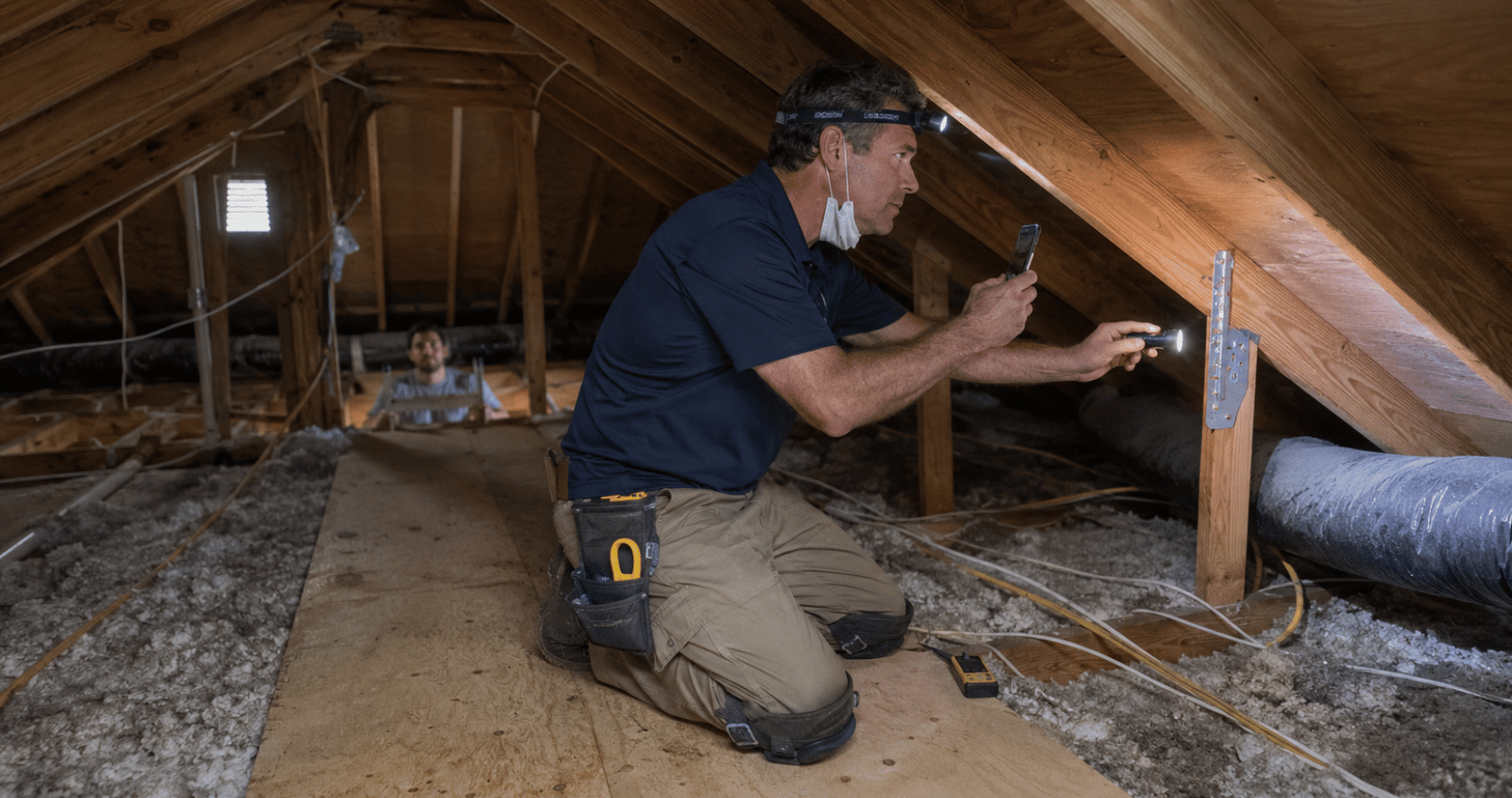
A wind mitigation inspection documents wind resistant features already present in your home, including roof shape, roof to wall connections, opening protections such as shutters or impact windows, and roof deck attachment.
The inspection costs seventy five to one hundred fifty dollars. Estimated annual savings in coastal states run five hundred to two thousand five hundred dollars, and in Florida wind mitigation discounts can reduce a premium by twenty to forty five percent.
The critical detail is that many homes already have qualifying features nobody has documented.
Which means a homeowner can be paying full price for a house that already earns a discount, purely because no inspection report was ever submitted.
If you live anywhere with wind exposure, this is the first call to make.
Impact Resistant Roofing
The largest single upgrade, and it pays back on a timeline that makes sense.
Class 4 rated shingles under the standard impact testing produce premium reductions typically ranging from ten to thirty five percent depending on carrier and state, with the largest credits in hail heavy regions.
Texas, where impact resistant roofing discounts have been mandated since 1998, sees credits reaching thirty five percent. One major carrier offers roofing discounts across twenty six states.
The economics work particularly well when a roof is due for replacement anyway, since the upgrade cost over standard shingles is modest and one analysis puts the payback through premium savings at five to seven years, alongside reduced out of pocket exposure after a hailstorm.
And a point worth checking regardless of any upgrade. If your roof was replaced within the last five years, verify your carrier has it documented and is applying the correct credit. It is described as one of the most commonly missed discounts at renewal.
Bundling Is The Reliable Lever
The largest discount available to most homeowners without spending anything.
Combining home and auto with the same carrier commonly returns ten to twenty five percent off the home premium, with figures of fifteen to twenty five percent cited for the home line specifically.
One qualification worth respecting. Confirm the bundled total actually beats buying each line from the cheapest separate carrier, because sometimes it does not.
For most households the bundle wins. For a household where one line prices badly at the bundling carrier, two separate policies can total less. Compare the totals rather than the discount percentages.
Raising The Deductible
The second large lever, and the one requiring a genuine decision rather than paperwork.
Moving from five hundred to one thousand dollars lowers the premium meaningfully, and larger deductibles produce larger savings.
One analysis puts the break even on a two thousand five hundred dollar deductible at roughly six to eight years between claims, which most homeowners comfortably clear.
The honest condition attached. A higher deductible means self insuring small losses, and it only works if you can actually pay it.
Keep the deductible amount in liquid savings as a dedicated fund. With that in place the trade works strongly in your favor over time. Without it, the policy becomes unusable on exactly the claims most likely to happen.
Do Not File Small Claims
The behavior that protects everything else on this list.
A single claim typically raises a premium ten to twenty percent for three to five years, and two claims in a three year window often triggers non renewal.
Which turns a modest claim into a poor trade twice over. The surcharge outlasts the payout, and the claims free discount worth five to ten percent disappears alongside it.
Two thresholds appear in guidance and both are more conservative than most people expect.
One suggests filing only for damage significantly exceeding your deductible, generally two to three times the deductible amount or more.
Another sets the bar higher, advising against filing claims less than about five thousand dollars over the deductible.
Either way, the principle holds. Paying small losses out of pocket preserves the loss free history that earns the lowest rates.
The Discounts Nobody Mentions
Beyond the large levers, a long list of credits carriers offer and rarely volunteer.
Claims free, typically requiring three to five years without a filed claim and worth five to ten percent.
Security systems, worth two to fifteen percent depending on whether monitoring is central station or smart device only.
Smart home devices, including water leak sensors, which address the most common claim type and continue expanding as an area.
Updated systems. Replacing electrical panels, plumbing, or heating and cooling earns an upgrade credit averaging around thirteen percent, since modernized systems reduce fire and water risk.
New home buyer, typically applicable within the first year of purchase.
New construction, since updated wiring, plumbing, and roofing reduce claim likelihood.
Gated community, on the basis of lower crime.
Working from home, since occupied homes are less likely to face theft or unnoticed fire and water hazards.
Loyalty, based on years with the carrier.
Green certification, offered by some carriers for homes certified under recognized environmental standards.
Payment related credits, including automatic payments, paperless billing, consistent on time payment, and paying annually rather than monthly, which alone saves most homeowners three to eight percent.
Quote in advance, offered by some carriers when you request a quote within a defined window before your existing policy ends.
Each is small individually. Collected, they are the difference between a standard rate and a good one.
How To Actually Claim Them
The process matters, because carriers apply only what they know about.
Ask at your annual review and ask specifically. A general request for available discounts produces less than naming the ones above.
Submit documentation. System upgrades require contractor receipts or permit documentation, and a roof replacement requires proof of the material rating.
Verify they were applied. Compare this year's declarations page against last year's discount list. A credit that quietly dropped off is one of the most common causes of an unexplained increase.
Repeat annually, since carriers add new discounts during the year and none of them arrive automatically.
Understand The Stacking Ceiling
Context that prevents wasted effort.
Discounts generally multiply rather than add, and most carriers cap the total regardless of how many you qualify for.
Which means securing the two or three largest matters far more than collecting many small ones, and once you approach the ceiling further discounts change nothing.
Ask directly whether your carrier applies a cap on total discounts. It is a question almost nobody asks and the answer tells you when to stop.
Credit Matters Where It Is Permitted
A factor with real weight and a slow timeline.
In most states, insurers use credit based information in pricing, with California, Maryland, and Massachusetts among the notable exceptions.
Improving credit over a year or two moves a premium more than most individual discounts, and unlike the others it requires no paperwork submission.
It is the slowest lever on this page and one of the largest, which makes it worth starting rather than worth waiting for.
Shopping Beats Every Discount
The conclusion that undercuts the rest of the article honestly.
Carriers apply discounts differently, and the only way to know which combination produces the lowest net premium is to compare across carriers.
A thirty percent discount on an expensive base rate loses to a cheaper base rate with fewer discounts, which is why comparing final premiums rather than discount percentages is the only meaningful comparison.
Guidance suggests re-shopping every two years at minimum, and annually is better in a market where carriers are repricing frequently.
Two practical notes.
Use identical coverage figures across every quote, or you are comparing different products rather than different prices.
Include an independent agent, who can access regional carriers that frequently undercut national brands and who knows which insurers are competing in your area.
What Not To Cut
The warning that makes this article responsible rather than merely cheap.
The cheapest policy is not automatically the best policy. Balance affordability against adequate coverage so you are financially protected after a major loss.
Three things never to trim for savings.
Your dwelling limit, which should reflect the current cost to rebuild. Many policies also require insuring to at least eighty percent of replacement value for full coverage on partial losses, and falling below that threshold means bearing part of the cost yourself.
Your liability limit, which is among the cheapest coverage on the policy and protects everything you own.
Replacement cost settlement, since switching contents to actual cash value saves modestly and changes what a claim pays substantially.
The right way to reduce a premium is to claim discounts, harden the home, raise the deductible you can afford, and shop. The wrong way is to buy less protection and call it a saving.
The Market Is Working Against You
Context worth having, because it explains why this takes more effort than it used to.
Homeowners are being affected by inflation, weather related disasters, rising rebuilding costs, labor shortages, and insurer losses reshaping the market.
Insurers have become increasingly selective in high risk regions, including raising deductibles and reducing discounts to protect margins.
Which means lowering a premium now requires a proactive strategy rather than a phone call. Review the policy, improve the home where it is worth doing, reduce claims risk, and shop.
That is more work than it was five years ago, and it is also where the largest savings currently sit.
The Order To Work In
Book a wind mitigation inspection if you have any wind exposure, because it is the best return available and may document features you already have.
Confirm your roof credit if it was replaced in the last five years.
Compare a bundled quote against two separate policies, and take whichever total is lower.
Raise your deductible to what you keep in savings, and set that money aside as a dedicated fund.
Ask for the full discount list by name, submit documentation, and verify it appears next year.
Shop across carriers every two years, using identical coverage figures and including an independent agent.
Thirty percent off a two thousand five hundred dollar premium is seven hundred fifty dollars a year, available to a homeowner who spent an afternoon on it and none of which requires giving up a single dollar of coverage.
This article is for general educational purposes and is not insurance advice. Discount availability, amounts, stacking caps, credit use, and eligibility vary significantly by insurer and by state. Confirm what applies to you with your carrier or agent.
Some images in this article were generated using artificial intelligence and are for illustrative purposes only.