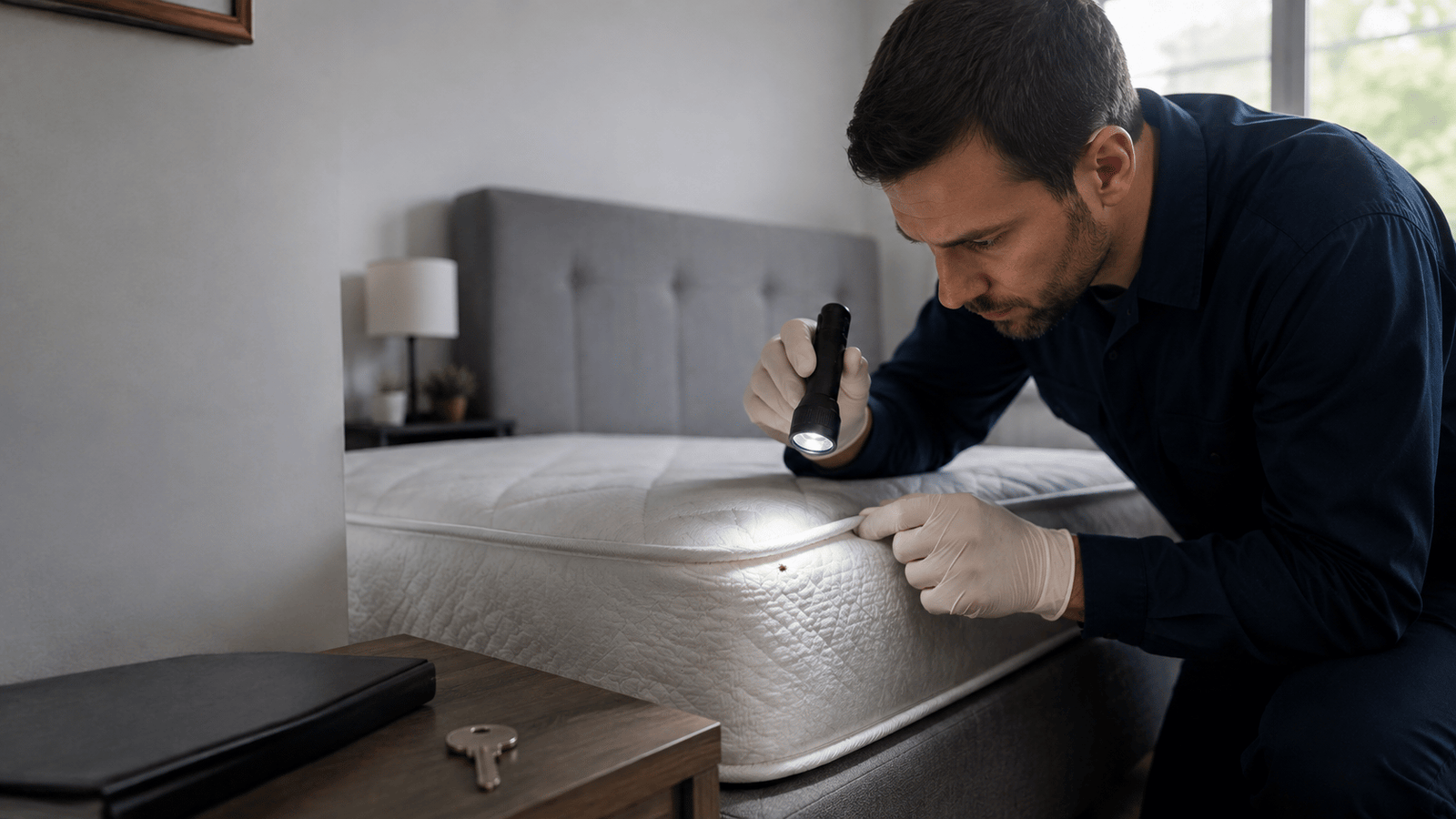
Why Sewage Costs Ten Times What Clean Water Costs
A burst pipe soaks your carpet. Unpleasant, expensive, and a normal insurance claim.
A sewer line backs up through your floor drain and puts the same amount of water on the same carpet. Different situation entirely, and not just because of the smell.
Restoration professionals classify water by contamination level. Clean water from a supply line is one category. Water that has passed through a sewer sits at the most severe classification, commonly called black water, and it carries sewage and pathogens.
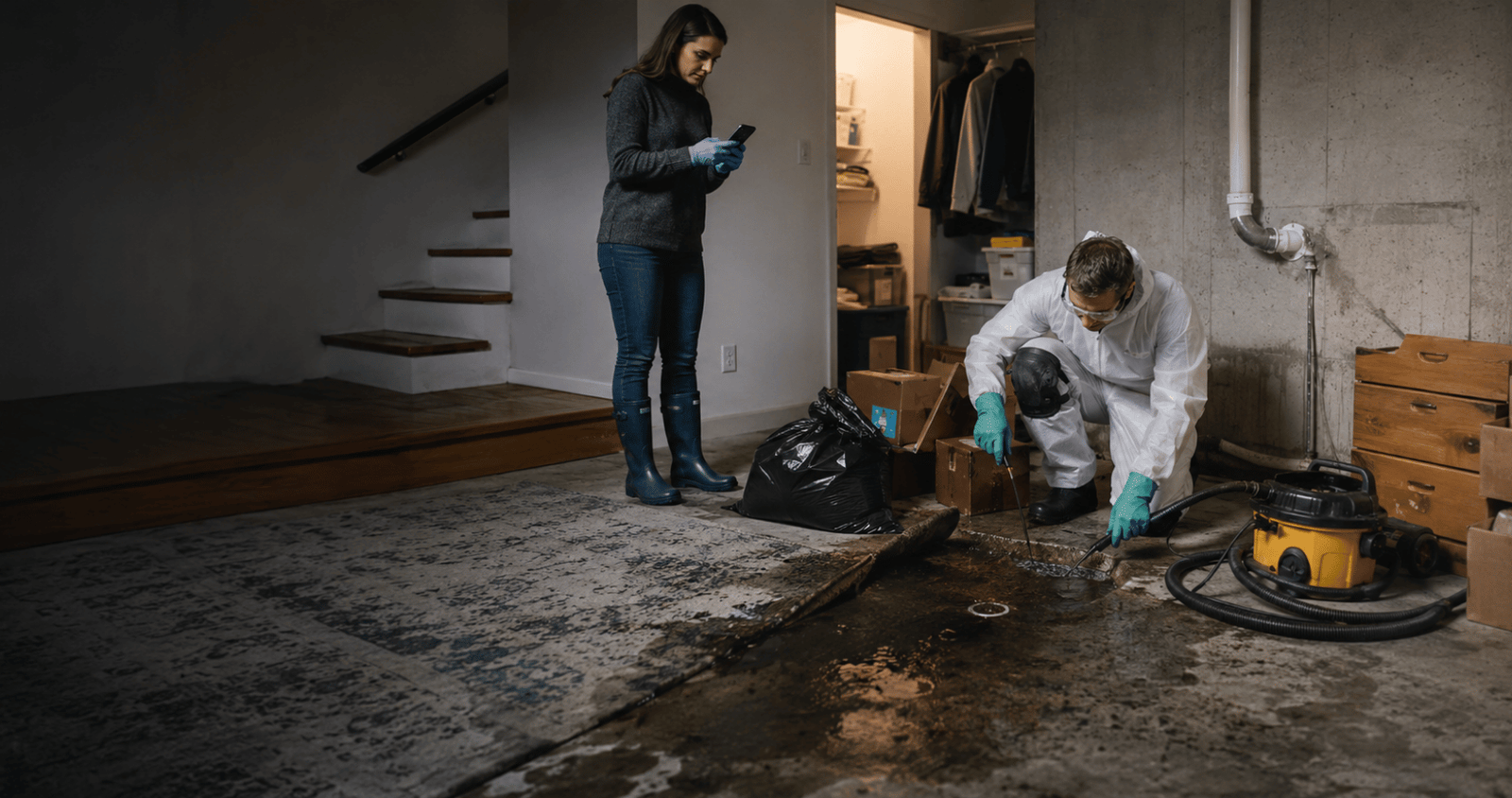
That classification changes what happens next. Clean water gets extracted and dried. Black water requires professional biohazard remediation. Carpet, padding, and porous materials generally cannot be salvaged. Anything absorbent that touched it usually leaves the building.
That is why sewer backup claims run into thousands of dollars for what looks like a manageable amount of water. And it is why the coverage gap matters so much.
Your Policy Excludes It Entirely
Standard renters insurance covers sudden water damage originating inside your unit. A burst pipe, a failed appliance hose, a tub overflowing because the drain jammed.
Water that backs up through sewers, drains, or a sump pump is excluded. Not limited. Excluded.
The reasoning insurers give is that backups are considered preventable through maintenance and drainage management. Whether that is fair to a tenant who controls neither the building's plumbing nor the city's sewer system is another question, but the exclusion is universal.
Closing it requires an endorsement, and there is a specific name to use.
Ask For It By Name
Call your insurer and ask for the water backup and sump discharge or overflow endorsement.
Carriers shorten it in different ways. Water backup coverage. Sewer backup coverage. Water and sewer backup. They generally mean the same product.
Using the formal phrase avoids the conversation where an agent tells you water damage is already covered, which is true of a different kind of water and not this one.
Adding it usually takes about five minutes and can be done mid policy rather than waiting for renewal.
What It Costs
Considerably less than most renters expect, because you are not insuring a building.
Homeowner endorsements commonly run fifty to two hundred fifty dollars a year. Renter versions run lower, often somewhere around twenty to one hundred dollars annually depending on the limit you select, and some carriers price it as low as thirty.
Set that against a single backup claim that routinely reaches several thousand dollars once biohazard remediation is involved.
Picking A Limit
Coverage amounts typically range from five thousand to twenty five thousand dollars, with limits starting around five thousand at most carriers.
For a renter, the relevant number is what replacing your belongings would cost, plus cleanup. You are not paying to repair the building, since that is the landlord's problem.
A useful way to think about it. Walk the lowest level of your unit and total what sits within a foot of the floor. Furniture legs and upholstery, rugs, boxes in closets, anything stored under a bed, electronics on the floor, clothing in bottom drawers.
Backups arrive from below and destroy from the ground up. That inventory is what your limit needs to cover.
What Actually Causes A Backup
Worth understanding, because it explains who is exposed.
Municipal sewer overload. Older cities operate combined sewer systems where stormwater and sewage share pipes. During intense rainfall the system reaches capacity and pushes backward into buildings through the lowest openings available. Floor drains, basement drains, ground floor toilets and tubs.
Tree roots. Roots invade lateral sewer lines and block them gradually until something gives.
Clogs and blockages in the sanitary main serving the building.
Sump pump failure. Mechanical malfunction, a clogged discharge line, or simply a power outage during the storm that made the pump necessary in the first place.
That last one is worth sitting with. The conditions that cause flooding also cause power outages, and a sump pump without power is decorative.
Who Genuinely Needs This
Not everyone does. Here is an honest sort.
Strong case. You live on a ground floor, in a basement unit, or in a garden apartment. Your building has a sump pump. Your city has aging or combined sewer infrastructure, which describes much of the Midwest, Northeast, and older neighborhoods almost everywhere. Your area sees intense rainfall events. Neighbors have mentioned water problems.
Weaker case. You are on an upper floor of a modern building with no sump pump and no history of drainage issues. Backups travel upward only so far, and a fourth floor apartment is rarely the lowest available opening.
The middle. A second floor unit in an older building is a judgment call. At twenty to one hundred dollars a year, most people in this group buy it anyway.
If you are unsure, ask your landlord or building manager whether the property has ever had a backup. They usually know, and the answer settles it.
The Toilet Question
This one generates more confusion than anything else in the topic, so here it is cleanly.
A toilet overflowing because of a clog inside your unit is usually covered by your standard policy. Clean water, sudden event, plumbing you control.
A toilet overflowing because the municipal sewer is backing up through it is not covered without the endorsement. Same fixture, same wet floor, completely different classification.
If it happens, note where the water came from before you call anyone. That detail decides the claim.
The Mold Detail Most People Miss
A genuinely useful feature of this endorsement.
Mold damage resulting from a water or sewer backup is often covered under the endorsement, which matters because mold is otherwise one of the most restricted things in a renters policy.
Standard mold coverage is capped low and excluded entirely when it grows gradually. Backup water sitting in flooring and drywall creates exactly the conditions mold needs, and having the endorsement can change whether that follow on damage is covered.
Confirm the specifics with your carrier, since treatment varies, but it is worth asking about directly.
What The Endorsement Will Not Do
Four limits worth knowing before you rely on it.
It is not flood insurance. Water rising from outside, from a river, a storm surge, or street flooding, is flood. That needs a separate policy through the National Flood Insurance Program or a private carrier. Buying one does nothing about the other, and plenty of ground floor renters need both.
It will not cover gradual problems. A drain that has been slow for months, or a plumbing issue reported and ignored, can be denied as a maintenance failure rather than a sudden event.
It stops at your limit. Damage above the amount you selected is yours. This is the argument for choosing a realistic number rather than the cheapest option.
It does not repair the building. Flooring, drywall, and structural drying belong to your landlord and their policy. Your endorsement covers your belongings and your cleanup.
If It Happens To You
Order matters.
Do not walk through it barefoot or in sandals. Category three water carries pathogens. Boots and gloves, or stay out.
Photograph everything before touching anything. Standing water, the entry point, every affected item. This is your claim.
Call your landlord immediately and in writing. Building drainage is their responsibility and they need to act.
Call your insurer the same day. Ask specifically whether your policy carries the water backup endorsement, because the answer determines whether there is a claim at all.
Do not throw items away before an adjuster sees them or releases you. Bag them, move them out of the water, but keep them.
Do not attempt full remediation yourself. Surface cleaning does not address what soaked into padding and drywall. Professional remediation exists for a reason with this category of water.
Why This Is Getting Worse, Not Better
Two trends are pushing this risk upward, and both explain why the endorsement comes up more often than it used to.
Infrastructure age. A large share of American sewer systems were built decades ago, and combined systems that carry stormwater and sewage in the same pipes were standard practice in older cities. Replacing them is enormously expensive and happens slowly. The systems handling today's rainfall were sized for a different era.
Rainfall intensity. The pattern that overwhelms a sewer is not total annual rain, it is how much falls in a short window. Intense downpour events have become more common across much of the country, and a system that copes fine with steady rain surcharges when the same volume arrives in ninety minutes.
Put those together and the practical result is that neighborhoods with no history of backups start having them. If your building has never flooded, that is genuinely useful information, but it is a weaker guarantee than it was twenty years ago.
Small Things That Reduce The Odds
You do not control the municipal sewer, but a few things sit within a tenant's reach.
Keep nothing valuable directly on a basement or ground floor. Pallets, shelving, or plastic bins raised a few inches change outcomes more than people expect.
Use plastic storage bins rather than cardboard boxes. Cardboard wicks water upward and fails immediately. Sealed bins frequently survive.
Never pour grease down a drain. Grease is a leading cause of lateral line blockages, and in a shared building your neighbors' habits become your problem too.
Report slow drains in writing the day you notice them. A slow drain is often the early signal of a developing blockage, and a documented report protects your claim if it later backs up.
Ask about a backwater valve. These are installed by the property owner, not the tenant, but knowing whether the building has one tells you a lot about your exposure.
Check Whether You Already Have It
Some carriers include a small amount of backup coverage automatically. Many do not.
Pull up your declarations page and look at the endorsement list. You are looking for water backup, sewer backup, or sump discharge language, along with a limit.
If you find it, check the number. A one thousand dollar included amount is not the same as real coverage, and raising it is usually inexpensive.
If you do not find it, that five minute call is the whole task.
The Five Minute Version
Water backup is the most commonly recommended endorsement in renters insurance and the least commonly purchased. It costs somewhere around twenty to one hundred dollars a year for a renter. It closes a gap that standard policies leave completely open.
If you live at ground level or below, in an older city, or in a building with a sump pump, this is the call to make this week. Ask for the water backup and sump discharge or overflow endorsement by name and pick a limit based on what sits near your floor.
The reason it matters is not the water. It is what the water carries, and what that does to everything porous it touches.
This article is for general educational purposes and is not insurance advice. Endorsement names, availability, limits, pricing, and mold treatment vary by insurer and by state. Read your policy and confirm details with your carrier or a licensed agent.
Some images in this article were generated using artificial intelligence and are for illustrative purposes only.