The Promise In Every Lease, Written Or Not
Every residential lease in the United States contains a promise the landlord did not write and cannot remove.
It is called the implied warranty of habitability, and it means the rental must be fit for people to live in, both at the start of the tenancy and throughout it.
The doctrine originates from a 1970 federal appeals court decision and has since been adopted in every US jurisdiction. Arkansas was the final holdout, adopting a limited version in 2021.
It is implied because it exists by operation of law regardless of what the lease says. Landlords cannot waive it through lease language, and in most states tenants cannot waive it either.
Which means an as is clause in your lease does not remove it, and a signature does not give it up.
The Eight Things It Guarantees
Specifics vary by state and by city, and the following are widely recognized as falling inside the warranty. Failure to provide or maintain any of them is often a breach.
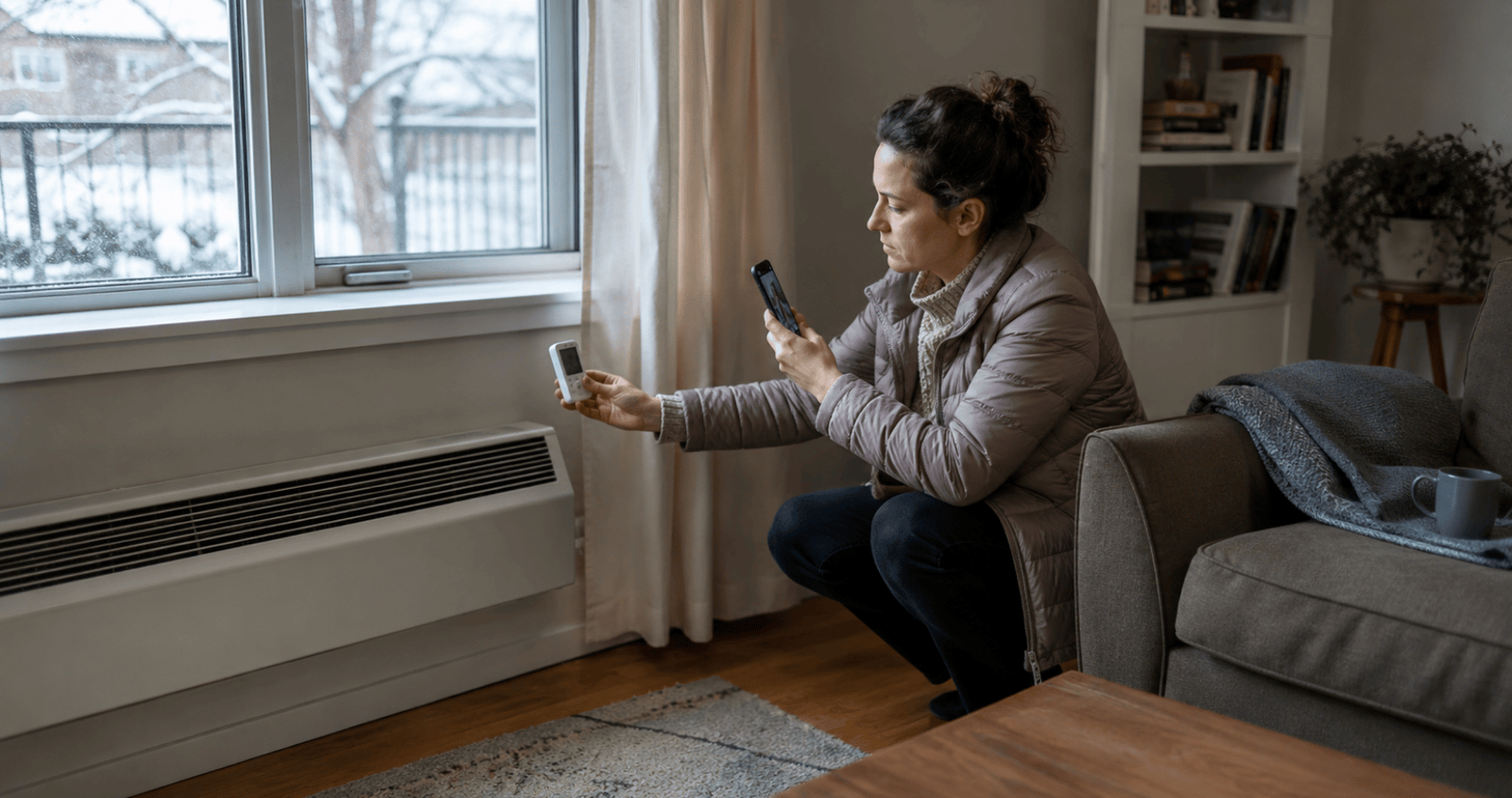
Adequate heat. Functional heating systems, particularly in cold climates and cold months.
Hot and cold running water. Working plumbing with access to a reasonable amount of hot water.
Electrical service. Functional and hazard free electrical systems.
Weatherproofing. A watertight roof, and unbroken windows and doors that keep out wind and rain.
Structural integrity. Floors, ceilings, and walls that are sound and free of defects.
Sanitation facilities. Working plumbing and adequate sanitation.
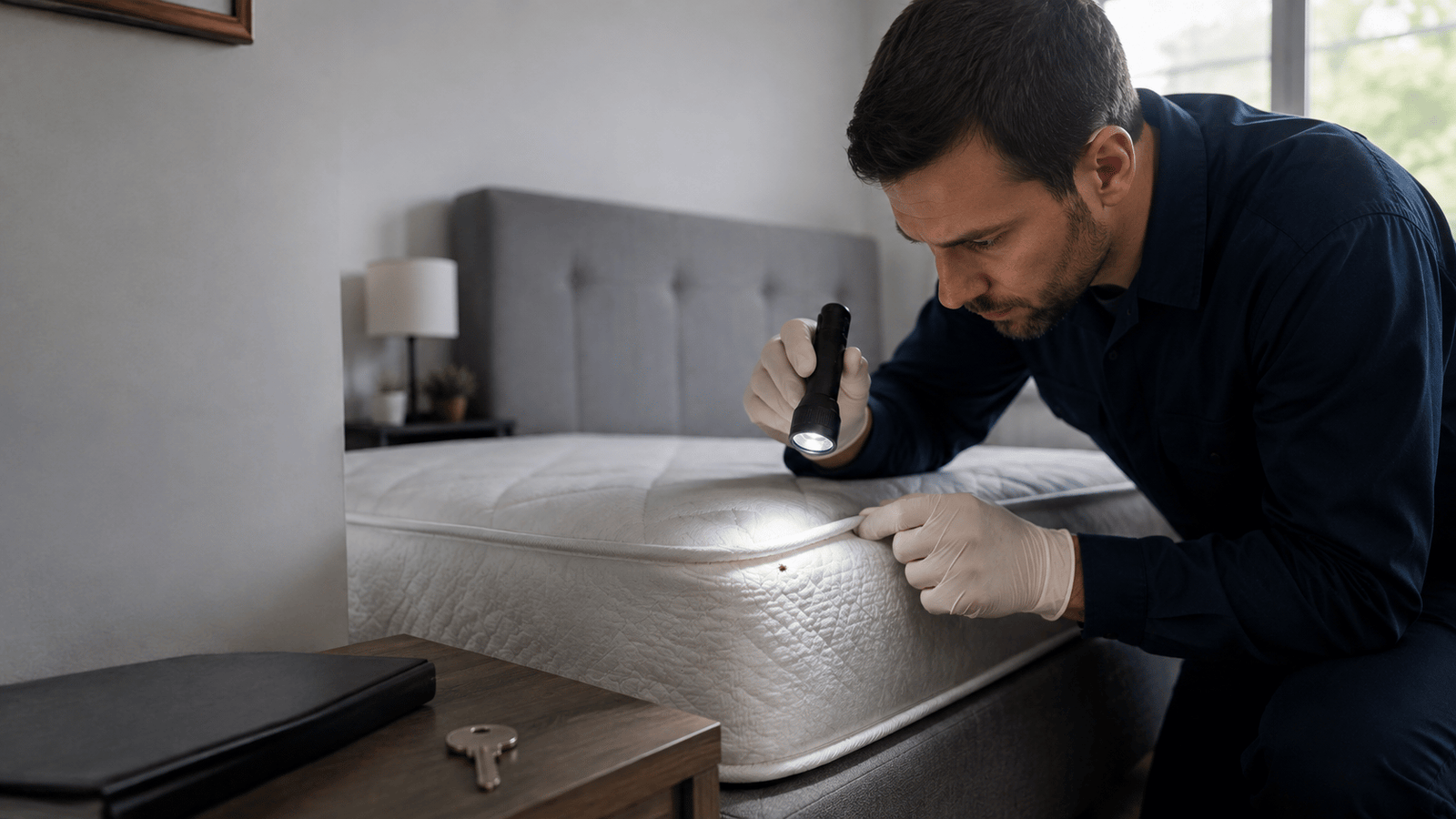
Freedom from significant pest infestation.
Security. Functioning locks on exterior doors and windows.
That list is the core. Everything else in this article is about the edges.
Some States Attach Numbers
General standards become concrete in certain jurisdictions, and specific figures are easier to enforce than adjectives.
Texas requires landlords to supply running unheated and heated water, with hot water at a minimum of one hundred twenty degrees Fahrenheit. Landlords must provide locks for all exterior doors and latches for all exterior windows, and cannot remove windows, doors, locks, latches, or hinges except to repair or replace them promptly.
New York City requires heat from October first through May thirty first when outside temperatures fall below defined levels, and hot water year round at a constant minimum temperature.
California lists specific minimum standards in its civil code, including effective waterproofing and weather protection for the roof, walls, windows, and doors, plumbing and gas facilities in good working order, hot and cold running water connected to an approved supply, and heating facilities in safe and functional condition.
Find whether your state or city sets numbers, because a specific requirement is far easier to enforce than a general one. No heat is an argument. Below the statutory temperature between October and May is a fact.
It Applies Throughout, Not Just At Move In
An important structural point.
New York codifies the warranty in its real property law, stating that every residential lease implies a promise that the premises are fit for living at the start of the lease and will remain so throughout the tenancy.
That ongoing character is what makes the doctrine useful. A unit that was fine in September and has no heat in January is a breach in January, regardless of its condition when you signed.
Which also means the landlord's obligation does not end when the lease is signed. It runs the length of the tenancy.
What It Never Covers
Equally important, and the source of most failed complaints.
The warranty does not require a landlord to provide luxurious or aesthetically pleasing property. It does not cover cosmetic issues such as worn out carpet, faded paint, or dated tile.
It does not even require minor repairs, unless failing to make them creates a situation that endangers health or safety.
The standard is that defects must be materially dangerous or hazardous to life, health, or safety.
So a leaky faucet probably does not breach the warranty. A furnace that stops working in January almost certainly does.
The dividing question is not whether something is annoying, or whether the landlord should fix it. It is whether the condition makes the unit unsafe or unfit to live in.
Classify The Problem Before You Act
This is the most practically important warning in the article.
Legal guidance is explicit that tenants must correctly classify a repair problem before claiming a breach of the warranty. Many of the legal steps available to force a landlord to address a major repair will not work for a minor one, and can land a tenant in legal trouble if used improperly.
Read that carefully against the remedies people reach for.
Withholding rent over a broken dishwasher is not a habitability remedy, it is nonpayment. Repair and deduct for a cosmetic issue is not a statutory remedy, it is a rent shortfall.
The remedies are powerful precisely because they attach to serious conditions. Applying them to minor ones removes the protection and creates a nonpayment case against you.
If you are unsure which category a problem falls into, that uncertainty is the reason to call a tenant organization before acting rather than after.
Major Or Minor, In Practice
A working test, since the line matters so much.
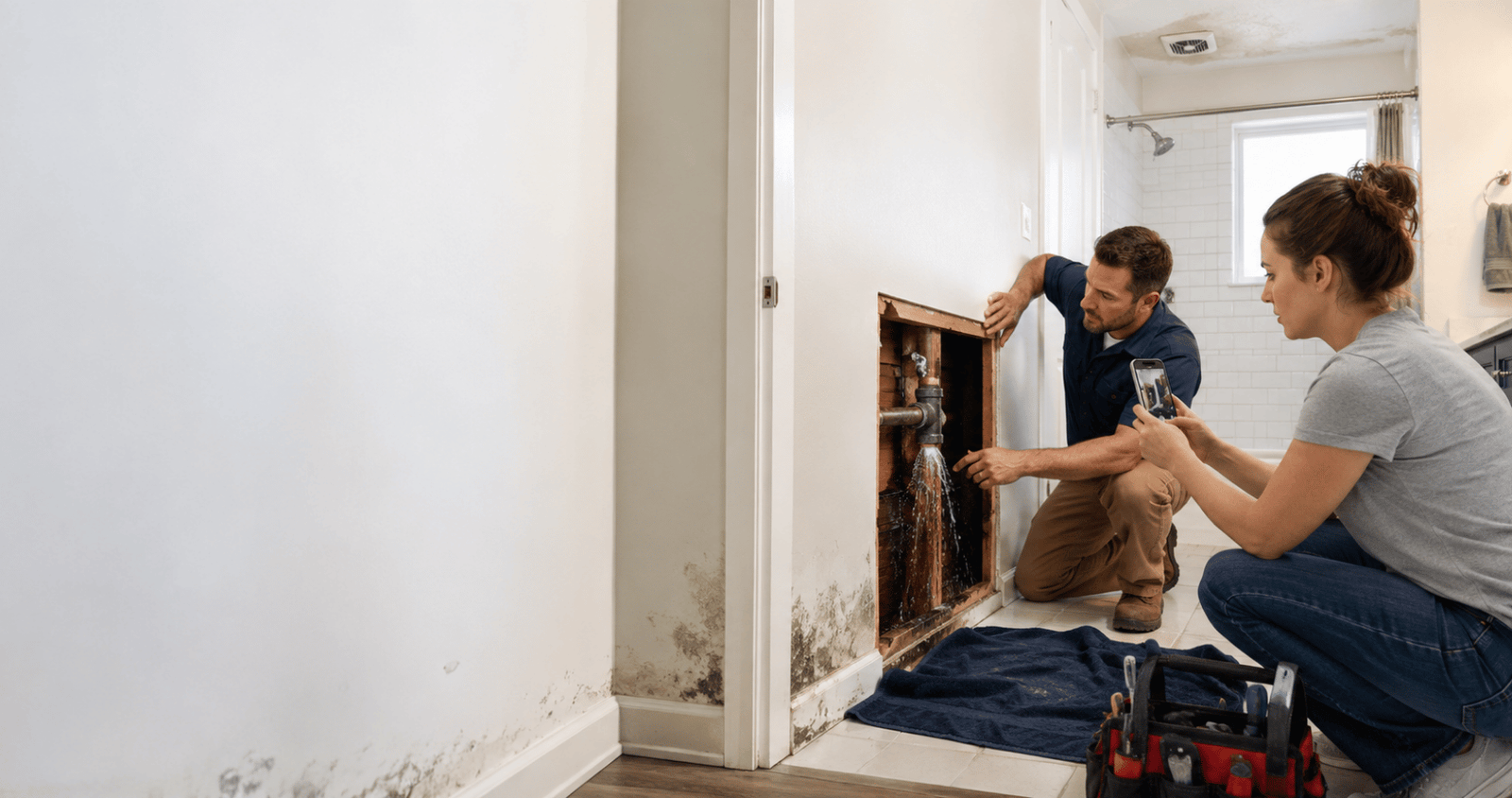
Almost certainly major. No heat in winter. No running water. No hot water for an extended period. Sewage backup. Exposed wiring or electrical hazards. A gas leak or carbon monoxide risk. A roof leak allowing water intrusion. Broken exterior locks or an entry door that will not secure. A severe pest infestation not caused by the tenant.
Almost certainly minor. A dripping tap. A single burnt out fixture. Worn carpet. Chipped paint. A slow drain. A cosmetic crack. An appliance you brought with you.
Genuinely in between. A partially working heating system. A leak that is small but persistent. Intermittent hot water. Pests at low levels. Mold of uncertain extent.
For the middle category, two factors usually decide it. How much it affects your ability to use the home, and whether it is getting worse.
Document the middle category especially carefully, because those are the conditions that become major and the record of when you first reported it is what determines everything afterward.
Tenant Caused Conditions Do Not Count
The warranty is not unconditional and tenants have their own duties.
A landlord is not responsible for conditions the tenant created, and severe pest infestations that were caused by tenant behavior are commonly excluded from the analysis.
Tenants generally have obligations to keep the unit reasonably clean, dispose of waste properly, use fixtures and systems reasonably, and avoid damaging the property or permitting others to.
Which means the first question in any dispute is where the condition came from. A mold problem from a landlord's roof leak and a mold problem from a bathroom fan the tenant blocked are different cases.
That is not a reason to accept blame you do not owe. It is a reason to be honest with yourself before escalating, since a landlord's first move will be to argue you caused it.
Notice Comes First, And It Is Usually Required
The procedural step people skip.
Most states require the landlord to have notice of the condition and a reasonable opportunity to fix it before any tenant remedy becomes available.
Some states set a specific period. Florida, for example, requires seven days written notice before a tenant may pursue repair and deduct or lease termination.
Which means the strength of your position rests on a document you create at the beginning rather than on how serious the problem eventually becomes.
Written notice, dated, specific, with photographs, sent by a method that produces a record. Then a second notice when the reasonable period passes.
Nothing else in this article works without that.
Where This Meets Your Insurance
A connection worth making, since it runs through so much of renting.
Renters insurance covers sudden accidental losses and excludes gradual damage. A leak developing over months and the mold that follows it is the most commonly denied claim in renting.
Habitability complaints and insurance claims therefore run on the same evidence. The written report you sent in October is what establishes that a January loss was sudden rather than the culmination of a condition nobody addressed.
Which means documenting a habitability issue protects two entirely separate things at once, and the effort is identical.
How To Document It Properly
Five elements, and they take minutes.
Photograph or film the condition, with something establishing the date.
Describe it specifically in writing. Water entering through the northeast bedroom ceiling during rain rather than the roof leaks.
Record measurements where they matter. Indoor temperature during a heating failure, water temperature during a hot water complaint. Where a state sets a number, your number is the evidence.
Note the effect on your use of the home. Rooms you cannot use, sleep lost, illness.
Send it by a method that timestamps it, and keep the copy.
If a local housing inspector will come out, that independent finding is worth more than any documentation you can create yourself, and in most places the inspection is free.
What The Remedies Are
Covered in more depth elsewhere, and worth listing so you know the shape.
A repair order from a court, which is the lowest risk route and the one most tenants have never heard of.
Repair and deduct, available in many states with strict conditions and caps.
Rent withholding, available in many states, often requiring escrow, and carrying the highest risk if done incorrectly.
Rent abatement, reducing what you owe for the period the unit was not fully usable.
Lease termination, where conditions rise to constructive eviction.
Damages, where the breach caused loss.
All of them depend on the classification and the notice discussed above.
The Version To Remember
Every lease promises a home that is safe, sanitary, and structurally sound, and nobody can sign that promise away.
It covers heat, water, electricity, weatherproofing, structure, sanitation, pest control, and working locks. It does not cover cosmetics, preferences, or minor annoyances.
Before doing anything about a problem, answer two questions. Is this materially dangerous or hazardous to health or safety, and have I given written notice with a reasonable time to fix it.
If both answers are yes, you have a habitability matter and remedies exist. If either is no, the remedies do not fit, and reaching for them anyway turns a complaint into a case against you.
This article is for general educational purposes and is not legal advice. Habitability standards, specific requirements, notice periods, and available remedies vary significantly by state and by city. Consult a local tenant organization or attorney before pursuing any remedy.
Some images in this article were generated using artificial intelligence and are for illustrative purposes only.