Michigan Is Really Four Insurance Markets
A renter in Detroit and a renter in Traverse City buy the same product and face almost nothing in common.
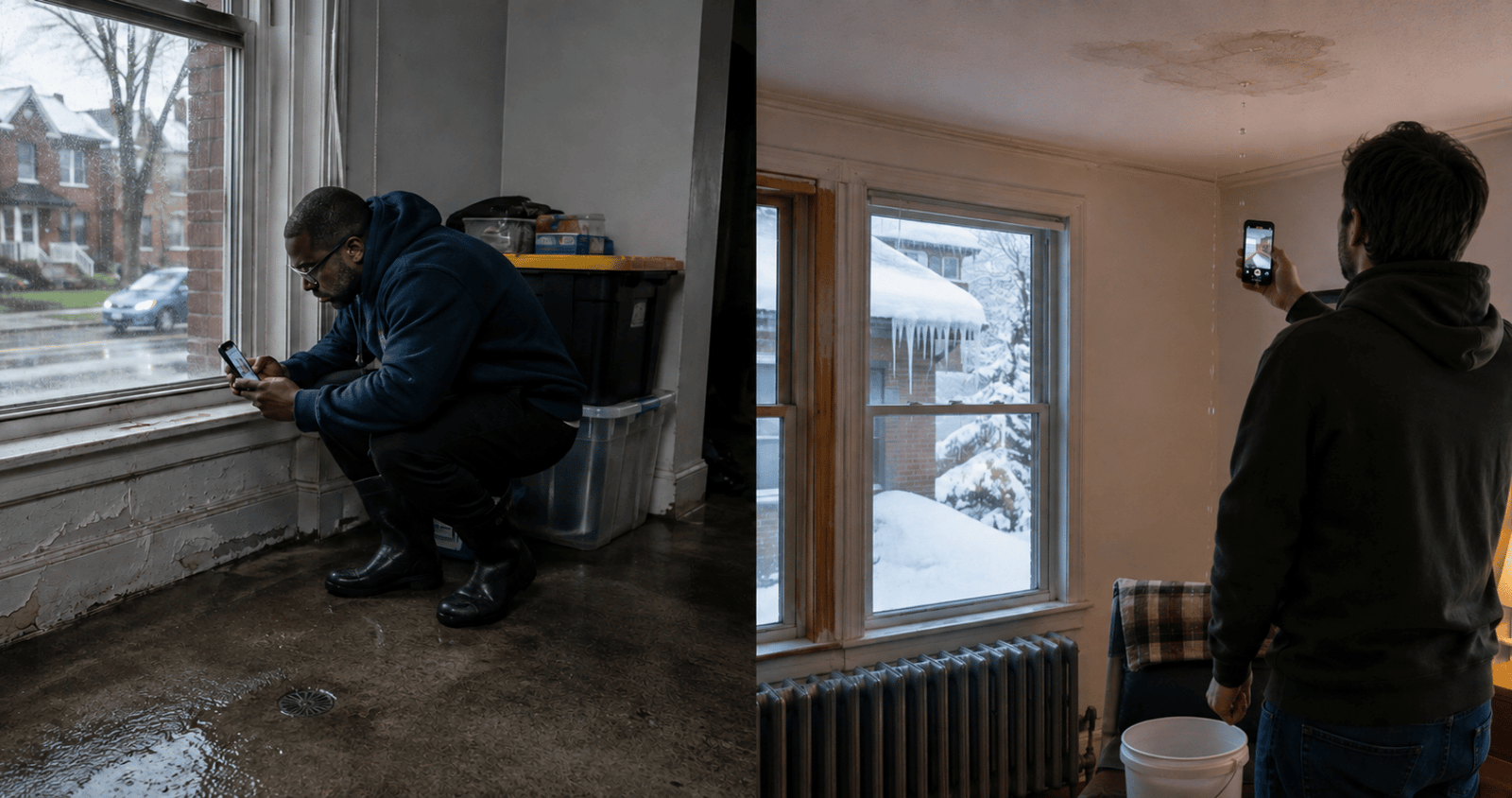
One is priced around property crime and a sewer system that surcharges every heavy rain. The other is priced around two feet of lake effect snow and ice dams pushing water under shingles.
The price gap reflects that. Detroit renters pay roughly double what Grand Rapids renters pay for equivalent coverage, and within the state the spread runs from about twenty one dollars a month in Wyoming, Michigan to around sixty in Detroit. That is more than four hundred dollars a year apart, same coverage, same state.
So a statewide average is close to useless. What matters is which Michigan you live in.
The Statewide Numbers, With A Caveat
Michigan renters insurance runs roughly two hundred sixteen dollars a year, or about eighteen dollars a month, depending on the survey. Other analyses land between fifteen and twenty two dollars monthly. One carrier quotes around sixteen fifty a month for thirty thousand dollars of coverage.
Set against a national average near one hundred eighty five dollars annually, Michigan sits slightly above the middle. Not a cheap state. Not an expensive one either.
Two things are moving underneath that number.
Rates rose five point eight percent in 2024 and another six point six percent in 2025, the steepest back to back increases in more than a decade. Winter claim frequency is a large part of why. Ice dams, heavy snow loads, and burst pipes all show up in Michigan loss data in ways they simply do not in southern states.
Treat any published average as a starting point and get three quotes at matched limits.
Metro Detroit Is Priced Around Two Things
Property crime. Detroit recorded roughly twenty eight thousand property offenses in 2024 according to FBI reporting. That was a decline from the prior year and still among the highest rates for large American cities. Theft frequency feeds directly into premiums, which is the main reason Detroit runs double Grand Rapids.
The sewer system. This is the part most renters underestimate.
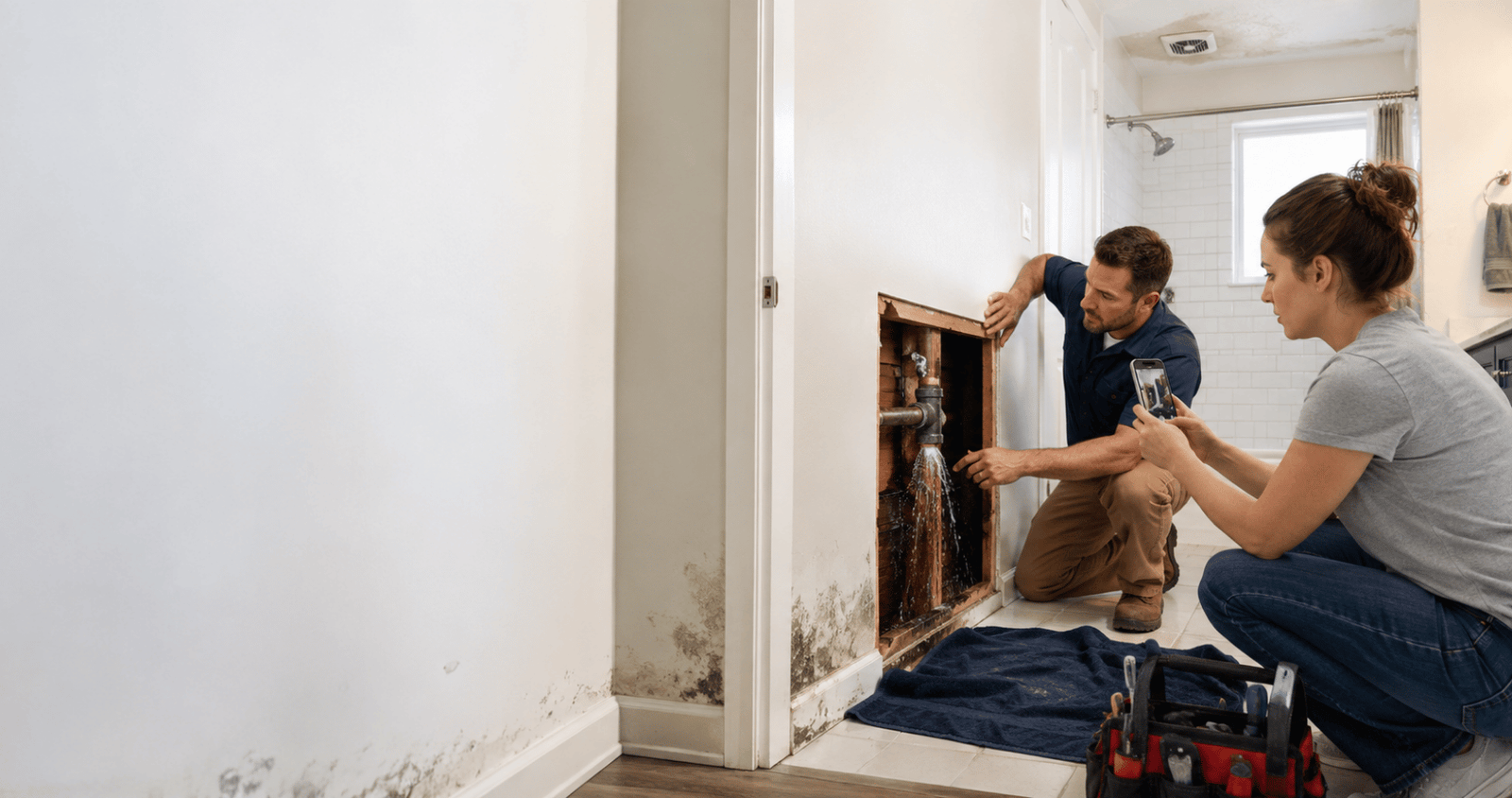
Detroit operates an older combined sewer system, meaning stormwater and sewage share the same pipes. During intense rain the system surcharges and pushes water backward into basements. The 2014 metro Detroit flooding did exactly that across a huge number of households, and smaller versions happen regularly.
Standard renters insurance excludes sewer and drain backup completely. If you live at or below ground level anywhere in metro Detroit, Lansing, or Kalamazoo, all cities with aging municipal systems, that exclusion is the single biggest gap in your policy.
A water backup endorsement closes it and typically costs very little on a renters policy. Ask for it by name.
West Michigan Is Priced Around Snow
Communities east of Lake Michigan sit in one of the heaviest snow belts in the continental United States.
Muskegon averages around ninety six inches a year. Traverse City around sixty eight. The Keweenaw Peninsula in the Upper Peninsula clears two hundred inches annually.
Three things follow from that.
Frozen pipes. A pipe that freezes, thaws, and ruptures is one of the most common winter claims in the state, and the resulting damage to your belongings is typically covered.
Ice dams. Snow melts on a warm roof, refreezes at the cold eaves, and backs water up under the shingles into the building. Damage to your belongings from that intrusion is generally covered. The roof itself is your landlord's problem.
Weight of snow and ice. Standard policies usually cover damage to your property from snow load. Older buildings with weak structural support carry real roof collapse risk in a heavy winter.
One important limit. Coverage assumes you were not the cause. Leave a window open during a storm and the damage to your television is on you, not your insurer.
Southern Michigan Sits In The Tornado Belt
The southern Lower Peninsula catches the northern edge of Midwest tornado activity. Michigan averages roughly fifteen to twenty tornadoes a year, concentrated in the south.
Wind and hail damage to your belongings is covered under a standard policy. Severe thunderstorms tracking across southern Michigan bring the same exposure without the tornado.
Check your declarations page for a separate wind or hail deductible. Some policies apply a higher figure for those perils specifically, occasionally as a percentage rather than a flat amount.
Northern Michigan And The Upper Peninsula
Extreme snowfall is the headline, but flooding matters here too. Michigan carries significant flood risk along the Grand River, the Kalamazoo River, and countless inland lakes that rise fast during spring snowmelt. Flooding is relatively common across much of the state and especially in the Upper Peninsula.
Grand Rapids saw major flooding on the Grand River in 2013. Spring melt combined with rain is a recurring pattern statewide.
None of that is covered by renters insurance. Flood is a separate product through the National Flood Insurance Program or a private carrier. Renters flood policies cover contents only, which makes them meaningfully cheaper than the homeowner version.
Check your address on the FEMA map before deciding it does not apply.
The Two Water Exclusions Are Different Problems
Michigan renters get caught here constantly, so it is worth separating clearly.
Water rising from outside is flooding. Excluded. Needs a flood policy.
Water pushing up through drains and sewer lines is backup. Also excluded. Needs a water backup endorsement.
They are two distinct gaps requiring two distinct fixes. Buying one does nothing about the other. In a state with both aging urban sewers and serious river flooding, plenty of renters need both.
What Michigan Law Actually Requires
No state law requires renters insurance. The Michigan Department of Insurance and Financial Services recommends it without mandating it.
Your lease is the real authority. Landlords across the state, particularly larger complexes in Detroit, Grand Rapids, and Ann Arbor, routinely require coverage as a lease condition. Most want a minimum liability limit, commonly one hundred thousand dollars, and many want proof before move in.
Failing to carry a policy your lease requires puts you in breach, which is a tenancy problem rather than an insurance problem. Read the clause before assuming it is optional.
How Much Coverage Makes Sense Here
Michigan's moderate cost of living puts most renters in the twenty thousand to thirty thousand dollar range for personal property.
The better question is what your belongings would actually cost to replace today. Walk the apartment and total it honestly. Furniture, electronics, clothing, kitchen equipment, winter gear, which in this state is not a trivial category.
Then look at liability. Most policies default to one hundred thousand. Raising it to three hundred thousand typically costs only a few dollars more per year and it is the best value on the entire policy. Slip and fall claims on icy walkways are a genuine Michigan exposure, and serious injury settlements reach six figures without difficulty.
Practical Ways To Lower The Premium
Bundling renters with auto is usually the largest single discount, which matters in Michigan given what drivers here pay for auto coverage.
Raising your deductible from five hundred to one thousand lowers the premium, though it also raises the bar for filing small claims.
Security devices, smoke detectors, and claim free history all factor in. Stacking several discounts can meaningfully reduce a premium.
Credit matters too, more than most renters expect, so the same coverage can price very differently for two people in the same building.
Before Winter Arrives
Three things, roughly in order of how much money they save you.
Ask what a water backup endorsement costs on your policy. In a state with this much aging sewer infrastructure and this much spring melt, it is the gap most likely to hurt you.
Check your liability limit and raise it if it says one hundred thousand. The upgrade costs almost nothing against what an icy sidewalk injury can cost.
Photograph your belongings and store the file in cloud storage. Winter claims in Michigan are common enough that the odds of needing that documentation are real.
Everything else about a Michigan policy is fairly standard. Those three items are where renters in this state actually lose money.
This article is for general educational purposes and is not a substitute for reviewing your actual policy documents or your lease. Coverage terms, endorsements, deductibles, and pricing vary by insurer and by location. Cost figures reflect published industry surveys and will differ from your individual quote.
Some images in this article were generated using artificial intelligence and are for illustrative purposes only.