Your Apartment Is Legally Yours During The Lease
Most disputes about landlord entry come from a misunderstanding of what a lease actually does.
A lease transfers a possessory interest to the tenant. The physical space is legally the tenant's domain during the lease term, not a space the landlord is lending out and can wander through.
Courts have extended constitutional privacy reasoning to leased residential space on that basis, and forty eight states have codified specific entry rules on top of it.
That principle explains everything below. A landlord retains ownership and retains specific rights of access. What they do not retain is the run of the place.
How Much Notice They Owe You
Most state access laws require one to two days' notice before entering in non emergency situations. Twenty four hours is the most common figure.
Some states are looser. Connecticut, for example, requires only reasonable notice, given orally or in writing, without a fixed time limit.
Two states, Alabama and Arkansas, historically lacked comprehensive statutory notice requirements and relied on common law standards instead, though local ordinances may impose more.
Your lease may specify a longer notice period than your state requires, which is enforceable. It generally cannot specify a shorter one than the statute allows.
Why They Can Enter
Entry rights are tied to purpose rather than being general.
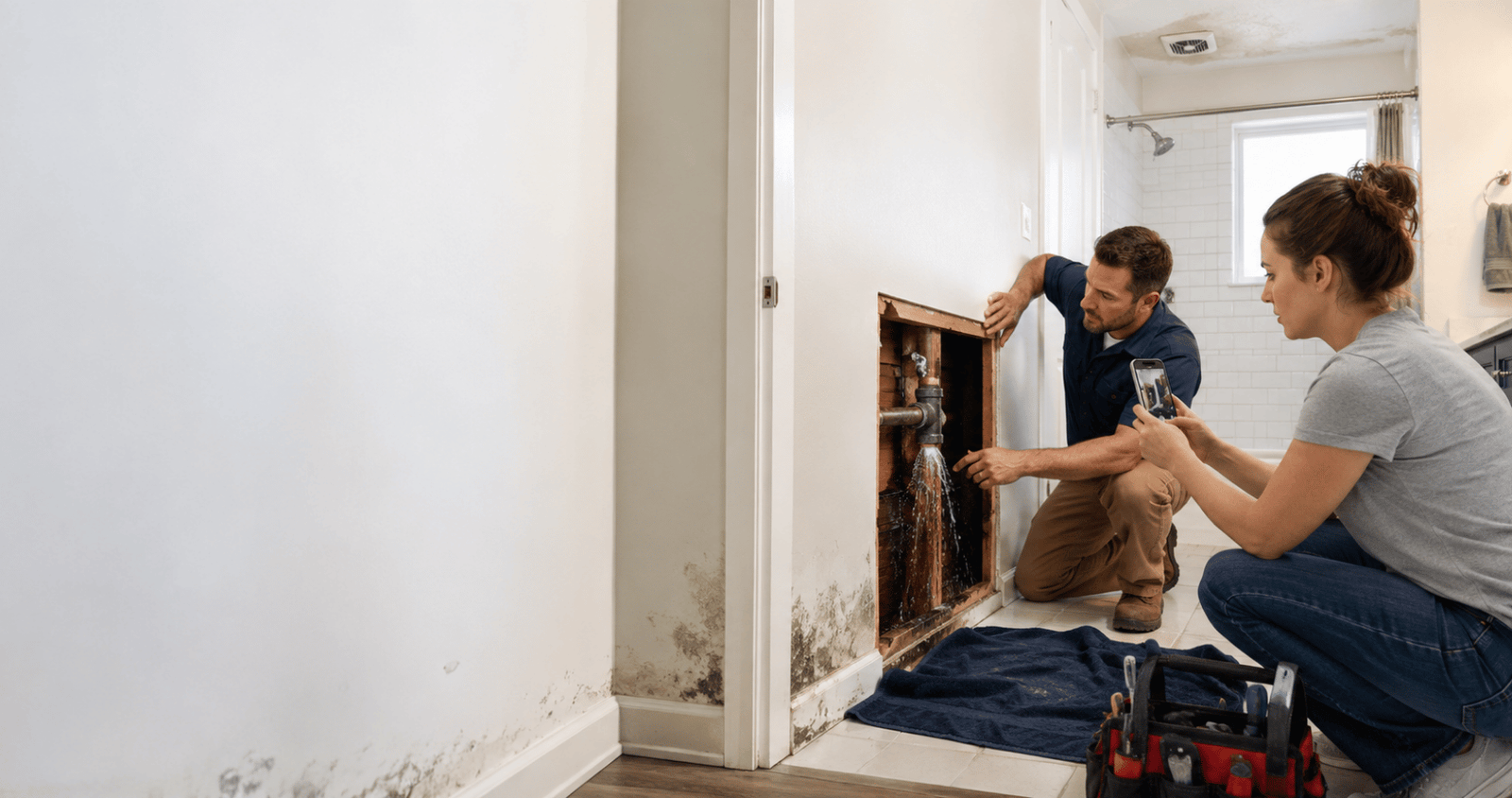
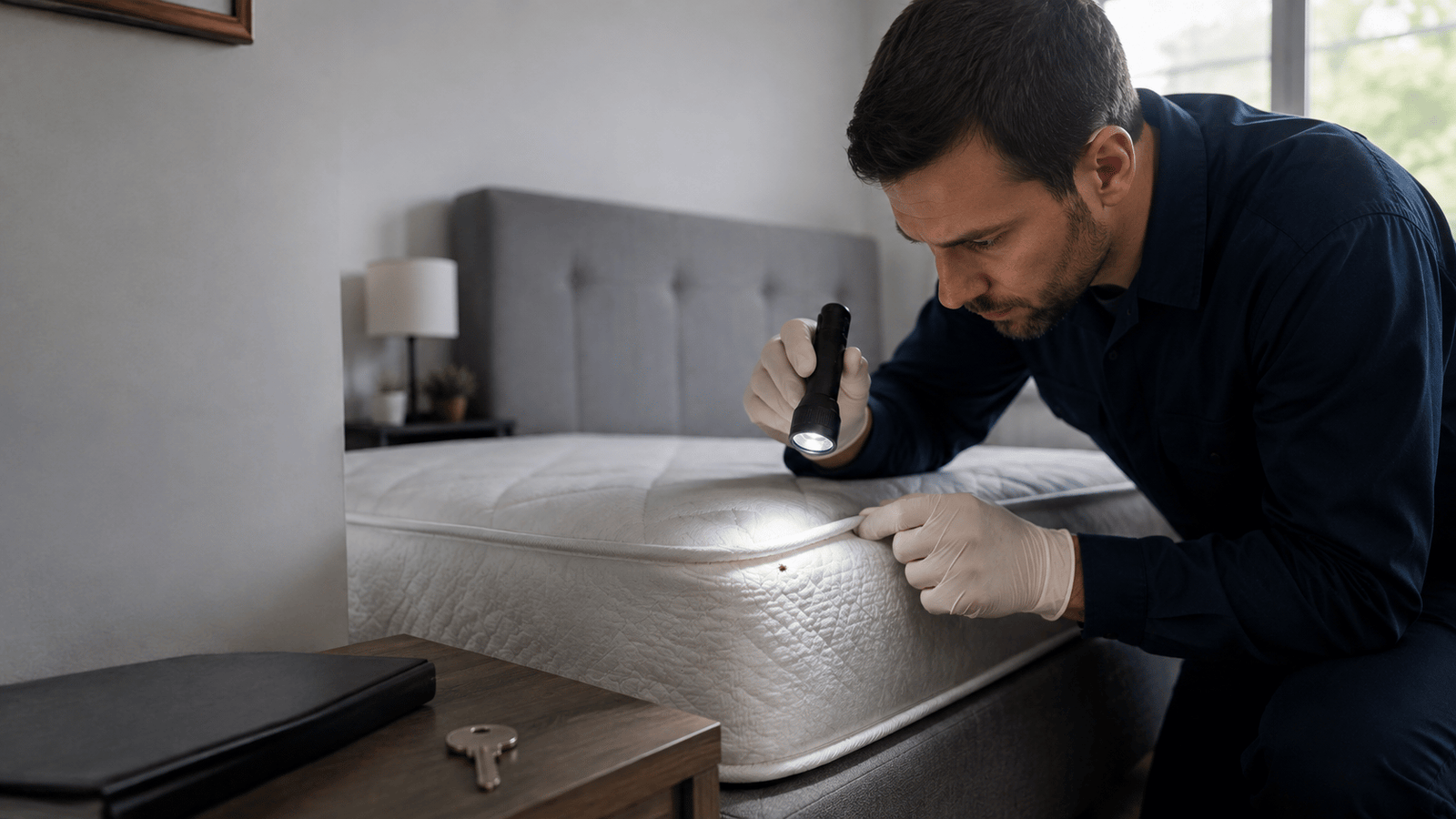
Common permitted reasons include making repairs, conducting inspections, showing the unit to prospective tenants or buyers, and providing services the lease requires.
Some states also permit entry when a tenant has been away for an extended period, in order to perform necessary or preventive maintenance.
What is not on the list is checking on you, satisfying curiosity, or looking for lease violations without cause. A landlord who enters repeatedly without a legitimate purpose may be creating a harassment problem rather than exercising a right.
Emergencies Are The Exception
Genuine emergencies allow entry without notice. A fire, a burst pipe flooding units below, a gas leak, or a reasonable belief that someone inside is in danger.
The exception is narrow by design. A repair that could wait until tomorrow is not an emergency, and using the emergency exception routinely undermines it.
If a landlord entered claiming an emergency, ask in writing what the emergency was. A legitimate one has an obvious answer.
You Can Be Present, And You Can Reschedule
Two rights renters rarely assert.
You generally have the right to be present during a landlord's visit or inspection.
And where a proposed time is genuinely inconvenient, you can typically request an alternative, provided you are not obstructing legitimate access altogether.
Both are worth using. Being present during an inspection means you see what they see, which matters enormously when a deposit dispute arrives later.
Cameras, In Three Zones
Surveillance rules sort into a clear hierarchy.
Outside the building. Cameras facing entrances, parking lots, and outdoor areas are generally lawful. Tenants have no reasonable expectation of privacy in fully outdoor, publicly visible spaces.
Shared interior areas. Cameras in hallways, lobbies, and similar spaces are generally permitted, and some states require disclosure to tenants. Laundry rooms are treated more sensitively and may require posted notice.
Inside your unit. Categorically prohibited. A landlord cannot install a surveillance system inside your rental.
That third line is not a grey area. Interior surveillance without consent exposes a landlord under state wiretapping statutes and under the federal Electronic Communications Privacy Act, and it is treated as a privacy violation independent of any physical entry question.
A camera in a common hallway pointed so it sees into your unit through a doorway or window sits closer to the third category than the second.
Audio Is A Separate Problem
Video and audio are governed differently and audio is stricter.
Many states have all party consent laws for recording conversations. In those states, recording audio of someone without their consent may be a criminal matter rather than a civil one.
Which means a camera that also records sound, placed even in a permitted location, can create liability that the same camera without audio would not.
If you discover a recording device with a microphone in a shared space, that is worth raising specifically rather than treating it as an ordinary security camera.
Renting A Room From An Owner
The rules shift when the owner lives there, and the shift is partial rather than total.
An owner sharing a home may install cameras in some areas of their own residence.
You retain a reasonable expectation of privacy in the room you rent and in the bathroom you use.
So a camera in a shared living room or kitchen occupies different territory than one in a rented bedroom, and the latter is not permissible simply because the owner lives on the premises.
If you rent a room, ask directly about cameras before moving in and get the answer in writing.
A Smart Lock Code Is Still An Entry
Here is the modern issue almost nobody addresses, and the principle is straightforward.
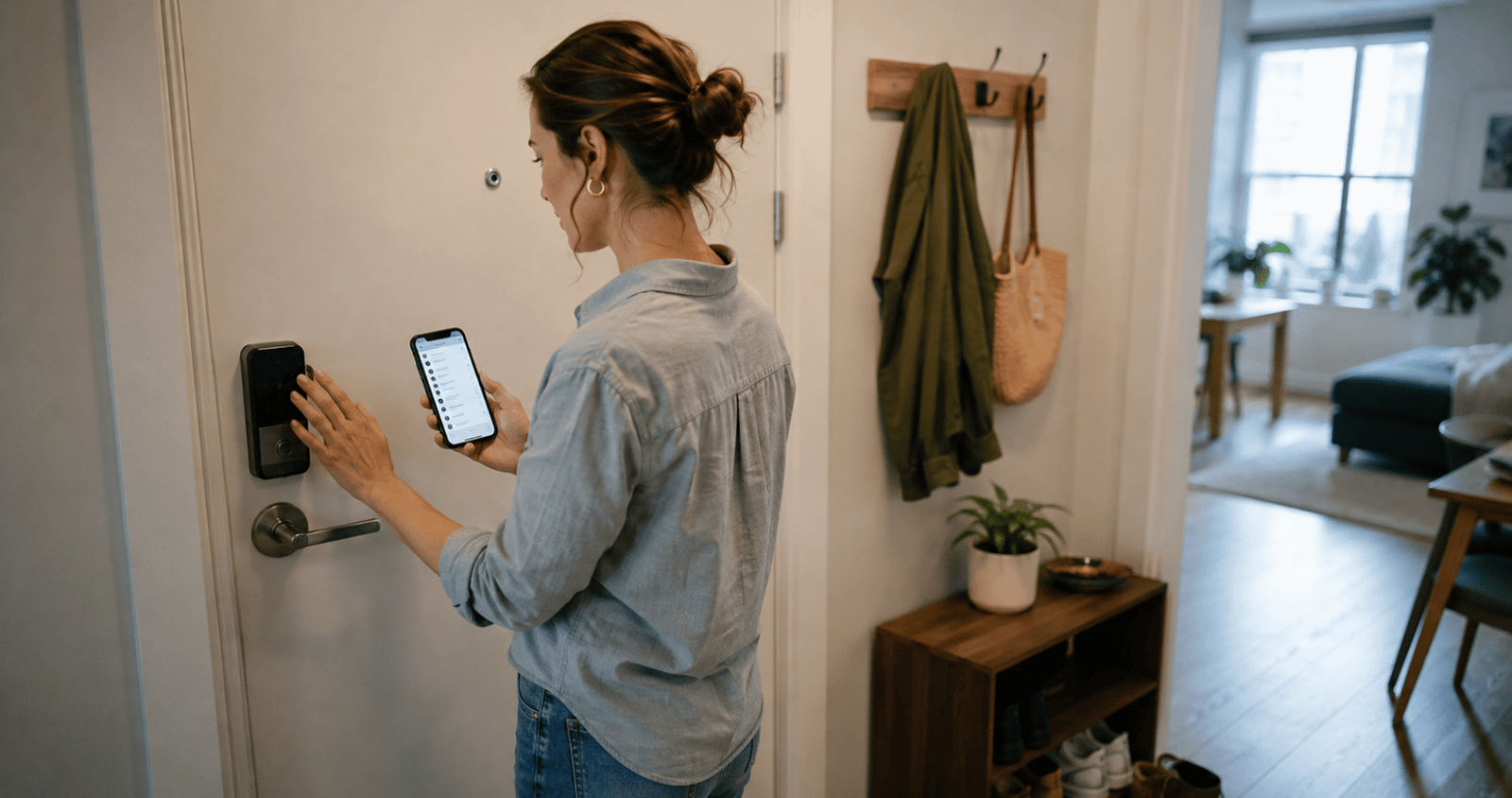
Notice rules apply regardless of the lock type. A landlord must not use remote access or an override code to enter without following the notice requirements, even where they can unlock the door electronically from a phone.
The convenience of digital access does not create an exception. Entry law was written with physical keys in mind and its logic applies equally to remote controlled devices.
If a smart lock made entry easier and a landlord began treating notice as optional, that is a violation with a new mechanism rather than a new category.
Entry Logs Reveal More Than Entry
The quieter privacy problem with smart locks.
Where a landlord retains access to digital entry logs, they can learn when tenants come and go, and they may be able to grant entry to third parties remotely.
That is a surveillance capability rather than a lock, and it exists whether or not anyone ever opens your door.
Best practice, as described by attorneys working in this area, is for tenants to have exclusive access with the landlord retaining override capability only for emergencies, consistent with statutory notice requirements.
Three questions worth asking about any smart lock system in your building. Who can see the entry logs. Who can issue access codes. And what the emergency override policy is.
Landlord Installed Devices Carry Landlord Risk
A genuinely useful development.
Where a landlord installed smart camera, smart lock, or router is compromised and a tenant's personal data is exposed, the landlord may bear liability under several theories.
Negligence, on the basis that installing network connected devices in a rental unit carries a duty to maintain reasonable cybersecurity, including firmware updates and avoiding default passwords.
State data breach notification laws, since all fifty states now have them, meaning a breach of a landlord controlled system exposing your information may trigger a notice obligation.
Breach of the covenant of quiet enjoyment, since a compromise allowing strangers to monitor a home or access entry systems is a fundamental interference with peaceful possession.
That is not a reason to refuse a smart lock. It is a reason to know that the convenience the building installed comes with obligations on their side.
The Thirty Dollar Fix
A practical step from the same guidance.
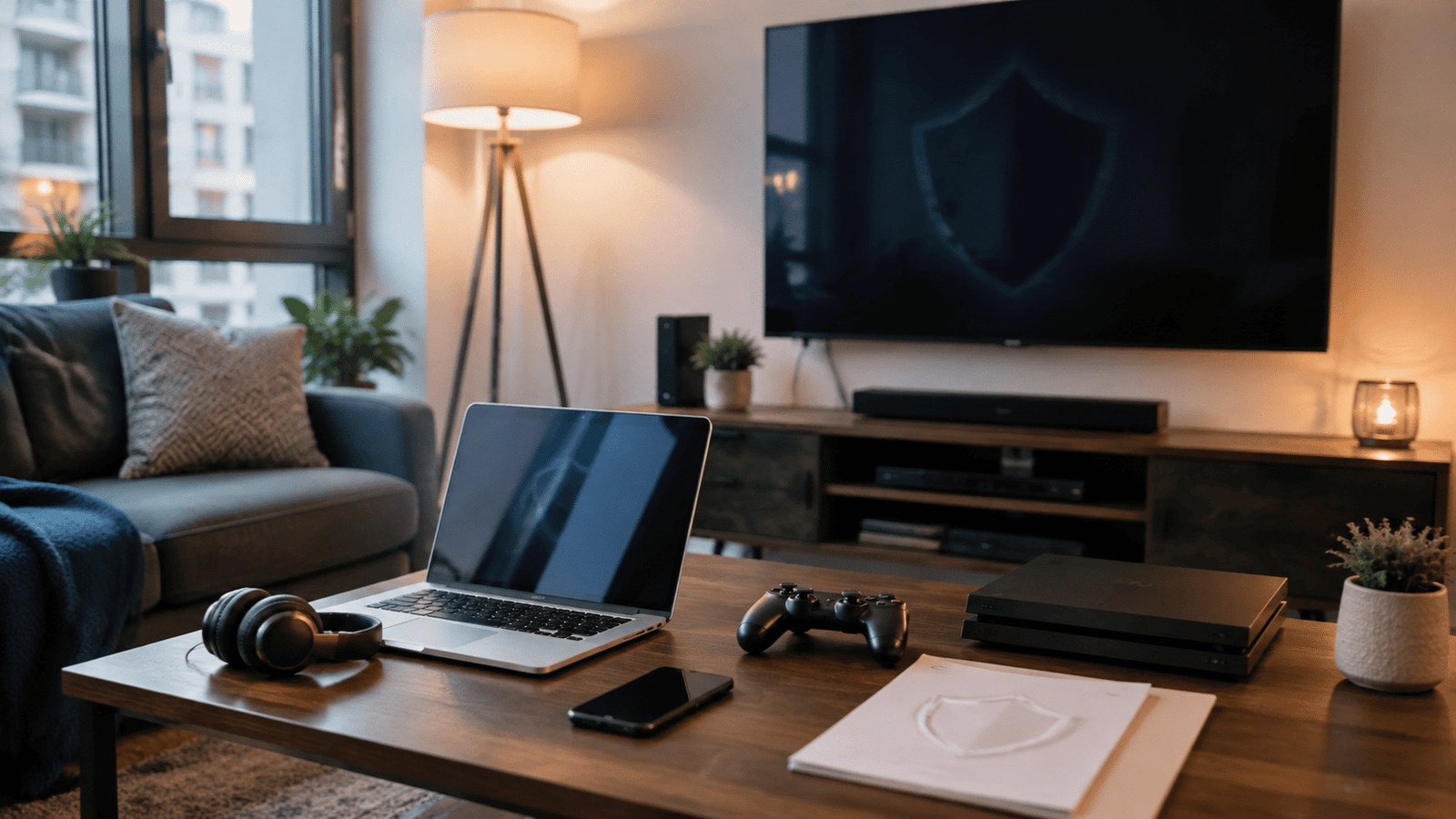
If your building provides a network that also runs building controlled devices, keep your personal devices off it.
Use your own router or a separate mobile hotspot for everything personal, and let the building network carry only what the building controls, such as a smart lock or thermostat.
A compact travel router costs roughly thirty to fifty dollars and provides complete network separation.
That single purchase removes your laptop, your phone, and your personal accounts from a network you do not administer and cannot audit.
Changing The Locks On You Is Never Legal
Worth stating clearly because it comes up in the same disputes.
A landlord who changes the locks without a court order has committed what is called a self help eviction, and it is unlawful in all fifty states.
The same applies to removing doors, shutting off utilities, or otherwise making a unit unusable in order to force a tenant out.
Eviction is a court process everywhere. There is no version of it a landlord may conduct privately, regardless of what rent is owed or what a lease says.
If this happens, it is an emergency legal matter rather than a dispute to negotiate. Contact a tenant organization or legal aid immediately.
What To Do About A Violation
An escalation path that mirrors other tenant issues.
Document immediately. Date, time, what happened, and how you know. A doorbell camera recording, a neighbor's account, moved belongings, a smart lock log entry.
Write to your landlord. State what occurred, cite the notice requirement, and request that future entries comply. Keep a copy.
Note the pattern. A single entry may be a misunderstanding. Repeated entries without notice is a different matter and the record is what establishes it.
Know your remedies. Tenants whose privacy rights have been violated may have access to rent reduction, lease termination, and civil damages depending on the state.
Get advice before acting unilaterally. Changing your own locks, withholding rent, or refusing all access can create problems even when the underlying complaint is valid.
Where A Lease Cannot Help Them
Since leases often contain entry clauses.
A lease may reasonably carve out additional circumstances for access, provided they do not violate the statutory standard.
What a lease generally cannot do is authorize entry at any time without notice, waive your statutory notice period, or permit surveillance inside the unit.
A clause saying the landlord may enter at their discretion is a red flag worth raising before signing, and it does not become enforceable simply because you signed it.
Three Things To Establish Early
Ask about cameras and smart locks before you sign, including who holds access and who sees the logs. Get the answer in writing.
Read the entry clause in the lease and ask for anything permitting unrestricted access to be amended to reflect your state's notice requirement.
Keep your personal devices off the building network, using your own router or hotspot.
Your home is your domain during the lease, and technology has not changed that principle. It has only created new ways to test it, and the same notice, purpose, and consent rules still apply on the other side of the app.
This article is for general educational purposes and is not legal advice. Entry notice requirements, surveillance rules, audio consent laws, and available remedies vary significantly by state and by city. Consult a local tenant organization or attorney about your situation.
Some images in this article were generated using artificial intelligence and are for illustrative purposes only.