A Clean Record Is Not A Defense Against This
The renewal arrives, the premium has jumped, and nothing in your life changed.
No claim. No ticket. No accident. Same car, same address, same coverage.
That situation is not a mistake and it is not personal. It is the shape of the entire auto insurance market right now, and understanding why makes the response obvious.
Replacement costs have risen a cumulative forty five percent over four years, driven by supply chain disruption and labor costs. General inflation across the US economy over the same period was around fifteen percent.
Three times the general rate. Your premium is priced against what a claim costs, and what a claim costs has moved far faster than everything else.
The Car Got More Expensive To Fix
The single largest driver, and it is structural rather than temporary.
Vehicle maintenance and repair costs rose more than forty three percent between January 2019 and January 2025. Another analysis puts the increase at more than thirty six percent in 2025 compared to 2021, with repair costs and bodywork each rising just over thirteen percent.
Two things behind that.
Parts cost more and take longer to arrive. Supply chain disruption extended repair times, and a car sitting in a shop generates rental costs alongside the repair itself.
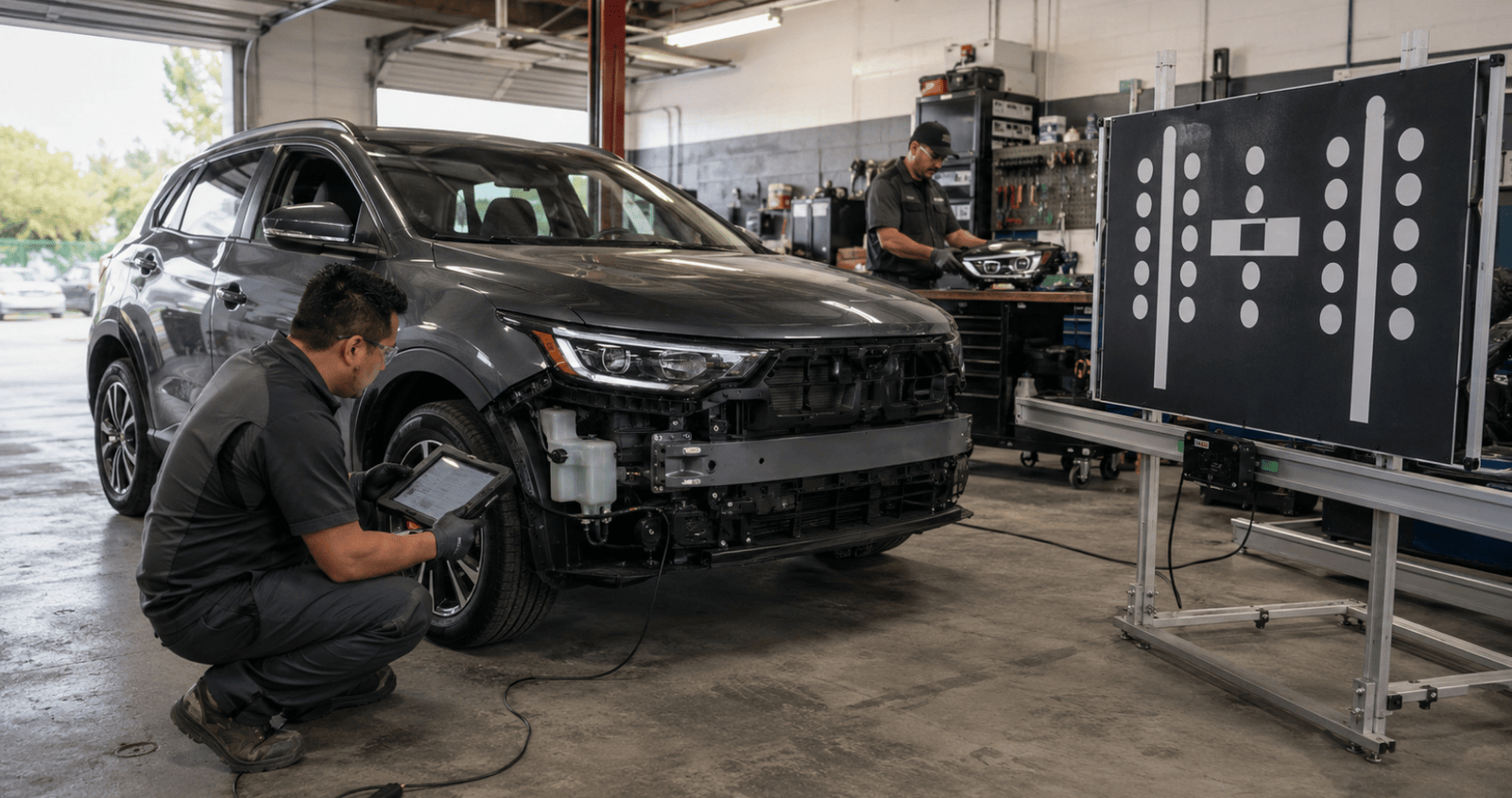
Modern vehicles are harder to fix. A bumper is no longer a bumper. It houses parking sensors, cameras, and radar units, and replacing it means recalibrating driver assistance systems. A minor collision that once cost a few hundred dollars now runs into the thousands.
That second point is permanent. Vehicles will not become less technological, which means this component of the increase is not going to reverse.
The New Car Price Set A New Ceiling
A related pressure on the property damage side.
Average new car prices have been running near forty nine thousand dollars.
Which matters in two directions. It raises what an insurer pays when a vehicle is totaled, and it raises what they pay when someone else's vehicle is damaged by a policyholder.
It also means the property damage limits most drivers carry are increasingly undersized, which is a separate conversation worth having when you review the policy.
Medical Costs Went The Same Way
The bodily injury side of the equation.
Rising medical care costs and increased bodily injury claim severity feed directly into premiums, and medical inflation has been outpacing general inflation for years.
Two related pressures sit alongside it. More claims are being litigated as accident severity increases, and litigation raises the cost of settling regardless of the outcome.
None of this appears on your renewal notice. All of it is priced into the number.
Weather Is Doing Real Damage
A factor that has moved from occasional to routine.
Increased frequency of hurricanes, flooding, hail, and wildfires produces large volumes of comprehensive claims, and insurers absorbing those losses recover them through rates across their book.
Which produces an uncomfortable result. A driver in a state that had a bad hail season pays for it, and so sometimes does a driver elsewhere, because carriers price nationally as well as locally.
Hail is the quiet one. It damages thousands of vehicles at once without injuring anyone, and comprehensive claims of that kind are among the most expensive events an insurer faces in a given year.
Theft Surged
A factor that rose sharply and affects specific vehicles more than others.
Vehicle theft increased nationwide, pushing insurers to raise rates even for drivers with no claims.
Certain makes and models were affected disproportionately following well publicized security vulnerabilities, and owners of those vehicles have seen increases that have nothing to do with their own driving.
If you own one of the models that became a theft target, that alone may explain a large part of your increase, and it is worth asking your carrier directly.
More People Are Driving Again
A pattern that began after commuting patterns normalized.
Traffic volumes returned to and past pre pandemic levels, and claim frequency rose with them.
That is straightforward exposure. More cars on the road for more hours produces more collisions, and the claim frequency increase compounds the claim severity increases described above.
Frequency and severity rising together is the worst combination for an insurer, and it is what the last few years produced.
Uninsured Drivers Shift Cost Onto You
A less discussed contributor.
A high number of uninsured drivers in an area raises the risk of a collision with someone unable to pay, and that cost lands on the insured population through uninsured motorist claims.
Which means rates can rise in your area because of what other people are not buying.
It is also an argument for checking your own uninsured motorist limits while you are reviewing the policy, since the same trend that raises your premium raises the odds you will need that coverage.
What Changed On Your Side
Before concluding it is entirely industry wide, five personal factors that move a premium without an accident.
Your credit changed. Where state law permits it, insurers use a credit based score, and a decline moves your rate. This is one of the largest personal factors and it is invisible on a renewal notice.
A discount dropped off. A bundled policy that moved carriers, a claim free discount reset, or a good student discount that expired. The premium rises with no explanation attached.
Your mileage changed. A return to commuting, a new job, or a longer drive.
Your car aged past a threshold. Some carriers reprice as vehicles cross model year boundaries.
Someone was added or removed. A young driver reaching a licensing milestone, or a driver leaving the household.
Ask your insurer to break out what changed. They will tell you, and sometimes the answer is fixable in one phone call.
Read The Two Documents Side By Side
The diagnostic step almost nobody takes.
Pull last year's declarations page and this year's, and compare them line by line rather than comparing the premium figures.
Four things to look for.
Coverage changes. Limits or deductibles that moved without you asking.
The discount list. A discount present last year and absent this year is your answer.
Added coverages. Occasionally something is added at renewal that you did not request.
Vehicle and driver details. Errors happen, and a wrong annual mileage figure or an incorrect garaging address costs real money.
That comparison takes ten minutes and it identifies a fixable cause in a meaningful share of cases.
The Response That Actually Works
One action outweighs every other, and it is the one people postpone.
Shop across carriers. Insurers absorb these market pressures at different speeds and price them differently, which means the spread between companies widens during a period like this rather than narrowing.
A carrier that took heavy weather losses last year prices differently from one that did not. A carrier expanding in your state prices differently from one quietly pulling back.
Three practical notes.
Use identical coverage figures across every quote, or you are comparing different products.
Include a regional or independent option, not only national brands. An independent agent can access regional insurers that frequently undercut the large carriers, and they know which companies are competing for business in your area.
Shop about thirty days before renewal, which gives time to compare without a lapse and puts you in the market before the new rate takes effect.
The Increase Is Not Applied Evenly
Worth knowing, because it explains why two neighbors with similar cars see different jumps.
Carriers file rate changes with state regulators, and those filings frequently apply differently across the book depending on vehicle type, ZIP code, coverage mix, and driver profile.
Which means a general rate increase of eight percent does not mean everyone paid eight percent more. Some policies moved far more and some barely moved, depending on which segments the filing targeted.
Three consequences.
Your increase may be much larger than the headline figure reported for your carrier, without anything being wrong.
A carrier that raised rates heavily on your segment may be pricing another driver competitively, which is precisely why comparison shopping works.
Your vehicle may be the reason. Models with expensive repairs, high theft rates, or poor claims histories get repriced independently of their owners.
Ask your carrier whether the increase was a general rate change or specific to your vehicle or profile. The answer tells you whether shopping is likely to help, and it almost always is.
Where Your Money Is Actually Going
A short explanation that makes the increases less mysterious.
Insurers collect premiums, pay claims, and pay the costs of operating. When claims cost more than expected, the shortfall shows up in the following year's pricing rather than immediately.
Which produces a lag. The repair cost increases and weather losses of two years ago are what you are paying for now, and the pricing you receive today reflects what carriers expect over the coming year.
That lag is also why rates do not fall promptly when conditions improve. Carriers absorb losses before recovering them, and they recover them gradually rather than all at once.
None of that makes an increase pleasant. It does explain why a good year in the industry rarely produces a lower renewal, and why waiting for rates to come down is a poorer strategy than shopping for the carrier that already priced your situation well.
What Else Moves The Number
Five levers, in rough order of effect after shopping.
Bundle auto with home or renters coverage, commonly worth ten to twenty five percent.
Raise your deductible to the highest amount you could genuinely pay on short notice, which lowers the collision and comprehensive portion.
Enroll in a usage based program, particularly one that cannot raise your rate, since safe drivers can earn substantial discounts.
Reassess collision and comprehensive on an older vehicle, where the premium may now exceed a sensible share of the car's value.
Ask for a full discount review. Carriers apply what they know about, and many do not list every available discount publicly.
One caution. Do not cut liability limits to lower a premium. That coverage protects everything you own and it is among the cheapest on the policy.
What Not To Expect
Honest framing so the next renewal is not another surprise.
The pressures described here are structural rather than cyclical. Repair complexity, medical costs, and weather losses are not returning to previous levels.
Which means the realistic goal is not a return to what you paid three years ago. It is paying the lowest available price for the coverage you need, in a market where everything costs more.
Shopping annually is what achieves that. Loyalty does not, and in most markets it costs money rather than earning it.
The Thirty Minute Response
Compare last year's declarations page to this year's, looking for changed coverages and missing discounts rather than at the premium.
Call your insurer and ask what changed, specifically.
Get three or four quotes at identical coverage, including a regional carrier or an independent agent.
Ask each one for a full discount review rather than assuming they applied everything.
Set a calendar reminder two weeks before next year's renewal, so this becomes an annual habit rather than an annual shock.
The increase probably had nothing to do with you. The response is entirely within your control, and in a market moving this fast the drivers who shop annually pay meaningfully less than the ones who renew.
This article is for general educational purposes and is not insurance advice. Rate factors, credit use, discount availability, and treatment of not at fault accidents vary by insurer and by state. Confirm your own figures with your carrier.
Some images in this article were generated using artificial intelligence and are for illustrative purposes only.