Your Dog Ruined The Carpet And Insurance Will Not Save You
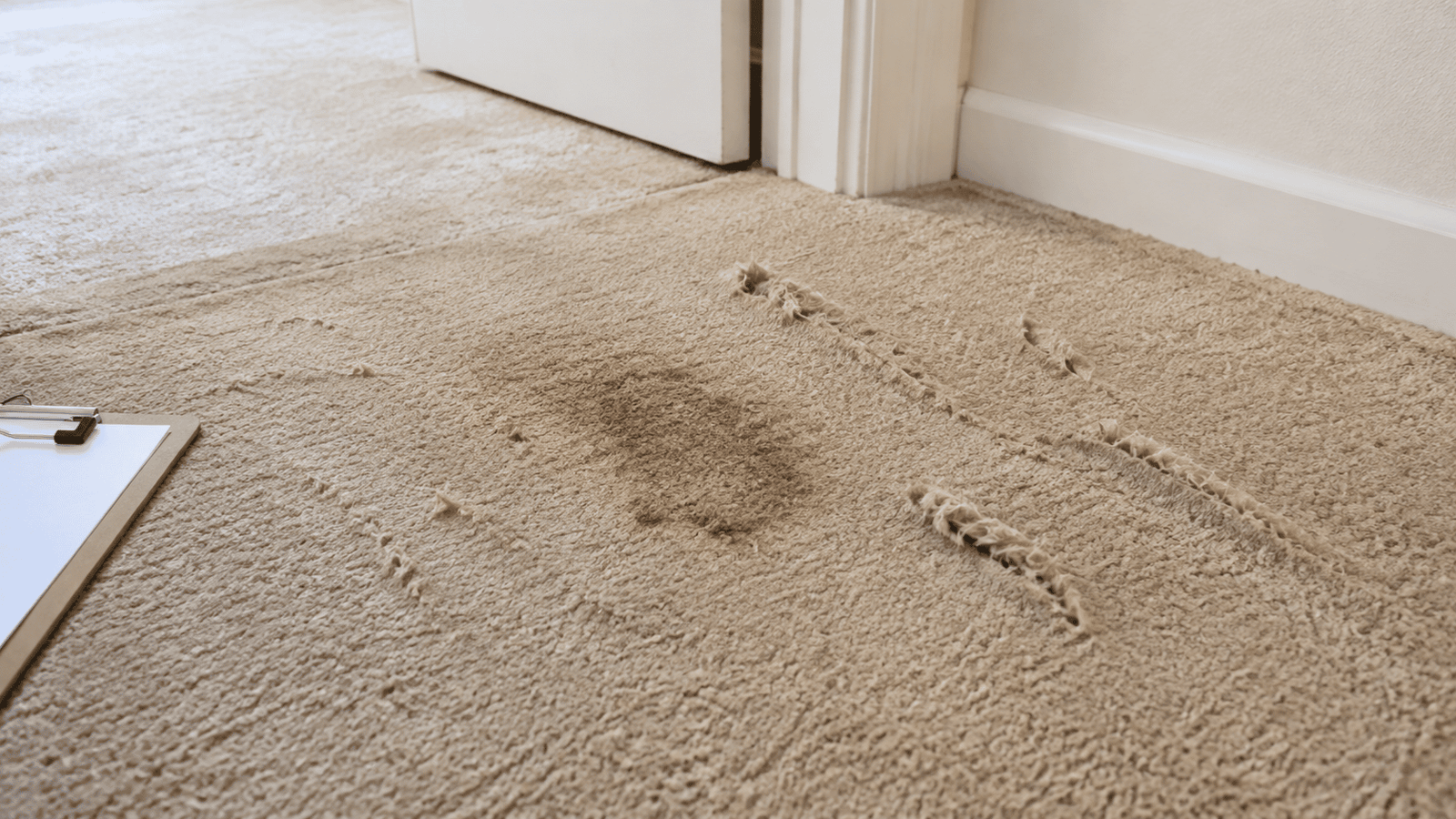
Here is the conversation that happens thousands of times a year. A tenant moves out. The landlord finds shredded carpet or urine stains. A bill arrives. The tenant calls their insurer, fully expecting liability coverage to handle it.
It usually does not. And the reason is buried in a clause almost nobody reads.
The Two Questions That Decide It
Whose property got damaged, and who caused it.
Your pet damaging your own couch is excluded. That is not a covered peril, it is just something that happened to your stuff.
Your pet damaging your landlord's carpet feels different. Someone else owns it, so surely liability applies. That is the assumption, and it is usually wrong.
Your pet damaging a neighbor's patio furniture is the one that actually works. That is a genuine third party liability claim.
The Clause That Blocks The Middle Case
Standard renters liability coverage carries an exclusion for property rented to you or in your care and custody.
Read that again. The apartment you rent, and everything the landlord installed in it, sits inside that exclusion. Carpet, flooring, baseboards, doors, fixtures. Legally it is someone else's property, but it is not treated as third party property, because you occupy it.
So the coverage that exists for damaging a neighbor's things does not extend to the unit you live in. That single clause is why most of these claims get denied.
You will find sources online claiming liability does cover the landlord's carpet. Carrier language is generally clearer than the aggregator articles are, and it usually leans the other way. Do not take either version on faith. Look for the care and custody wording in your own policy.
What Actually Happens Instead
Security deposit first. Pet deposit before that if you paid one.
If the repair costs more than the deposit, landlords can bill you for the balance and pursue small claims court if you refuse. There is no insurance step in this chain.
That is the practical reality. Your protection against pet damage is the deposit you already paid and the money in your account, not the policy on your fridge.
Why Carpet Bills Run Higher Than People Expect
Urine is the reason.
A visible stain looks like a cleaning problem. It is often not. Urine soaks through carpet into the pad underneath and sometimes into the subfloor. Cleaning the surface does nothing about what is below it, and the odor keeps coming back.
At that point a landlord is not replacing a section. They are pulling carpet and pad across the room, sometimes sealing the subfloor first.
That is how a single accident becomes a four figure move out charge. Scratches and chewing are usually cheaper than stains, which is the opposite of what most renters assume.
The Endorsement Almost Nobody Knows About
A handful of insurers sell a small pet damage endorsement that fills exactly this gap. Coverage is modest, often a few hundred dollars, and it typically applies after your deposit is exhausted.
Premiums are low, sometimes a dollar or two a month. Availability varies by carrier and by state, and it is rarely advertised, so you generally have to ask for it by name.
For a renter with a young dog and wall to wall carpet, it is a reasonable hedge. It will not cover a full replacement, but it takes the edge off.
What Your Policy Does Cover
Worth being clear, because the pet exclusions are narrower than people think once they hear the bad news.
Your dog bites a guest in your living room. Covered under personal liability.
Your dog bites someone at the park. Also covered, since liability generally follows you.
Your dog digs up a neighbor's garden. Covered as third party property damage.
Your dog chews your own sofa or the landlord's baseboards. Not covered.
Liability limits typically start around one hundred thousand dollars. Given how expensive bite claims can get, raising that limit is one of the cheapest upgrades on a renters policy.
Check Your Breed Before You Assume Anything
Many insurers restrict or exclude certain dog breeds from liability coverage entirely. Pit bulls, Rottweilers, and Dobermans appear on restricted lists frequently, though the lists differ by company.
If your breed is excluded, a bite claim gets denied regardless of your dog's history. Some carriers do not use breed restrictions at all, and standalone pet liability policies exist for the rest.
Exotic pets are usually excluded outright. Reptiles, large birds, and anything unusual generally need specialty coverage.
What To Actually Do
Assume you are self insuring this risk, because you probably are. Put down rugs over high traffic carpet, address accidents immediately rather than surface cleaning them, and ask your insurer whether a pet damage endorsement is available on your policy.
Then go check two things in your paperwork. Whether your breed is restricted, and what your liability limit is. Those two answers matter far more than the carpet question, because a bite claim can cost more than every deposit you will ever pay.
This article is for general educational purposes and is not a substitute for reviewing your actual policy documents or your lease. Exclusions, endorsements, and breed restrictions vary by insurer and by state.
Some images in this article were generated using artificial intelligence and are for illustrative purposes only.