The Ring Down The Drain Problem
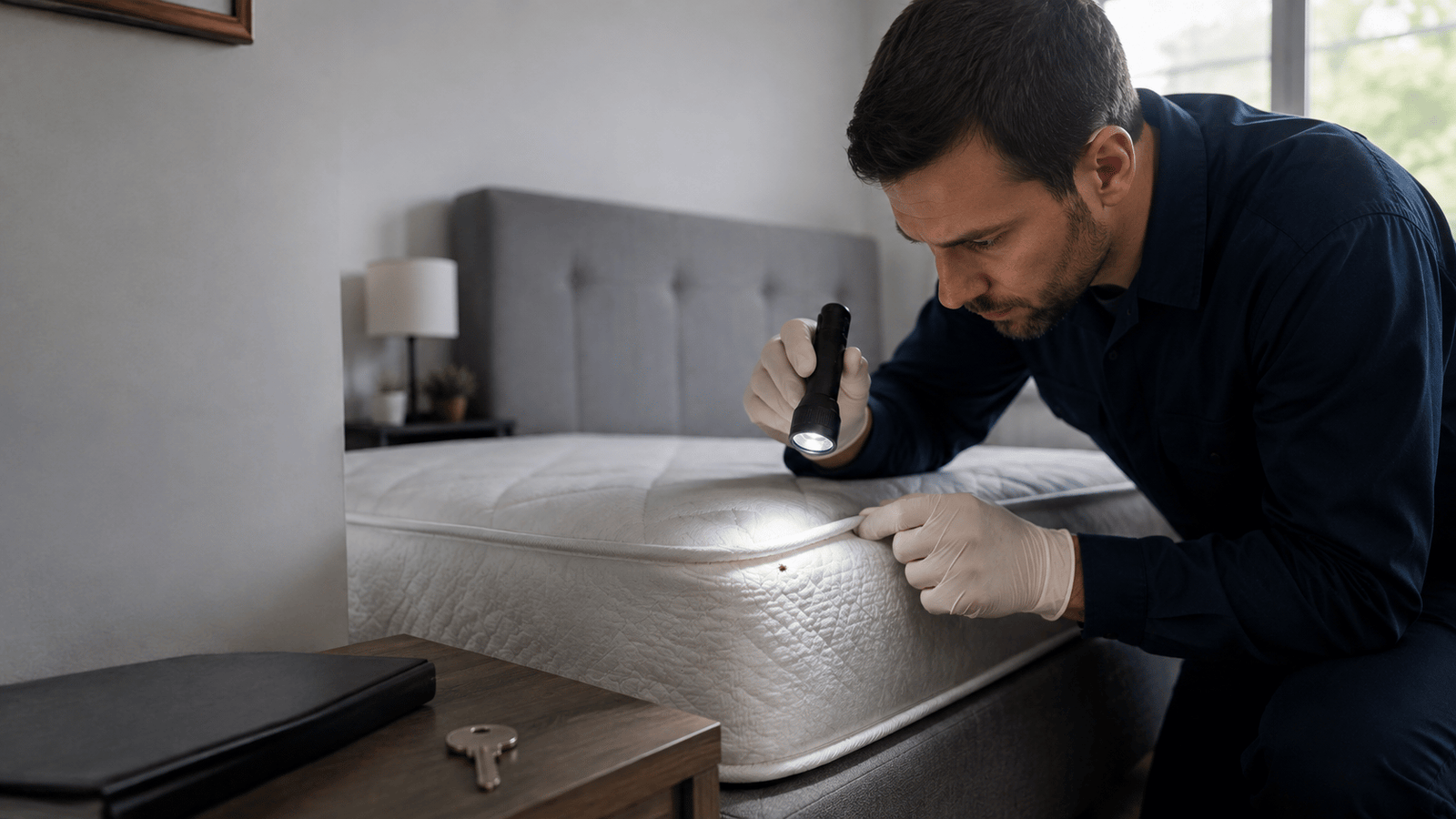
A thief takes your engagement ring. Your policy responds, up to a limit.
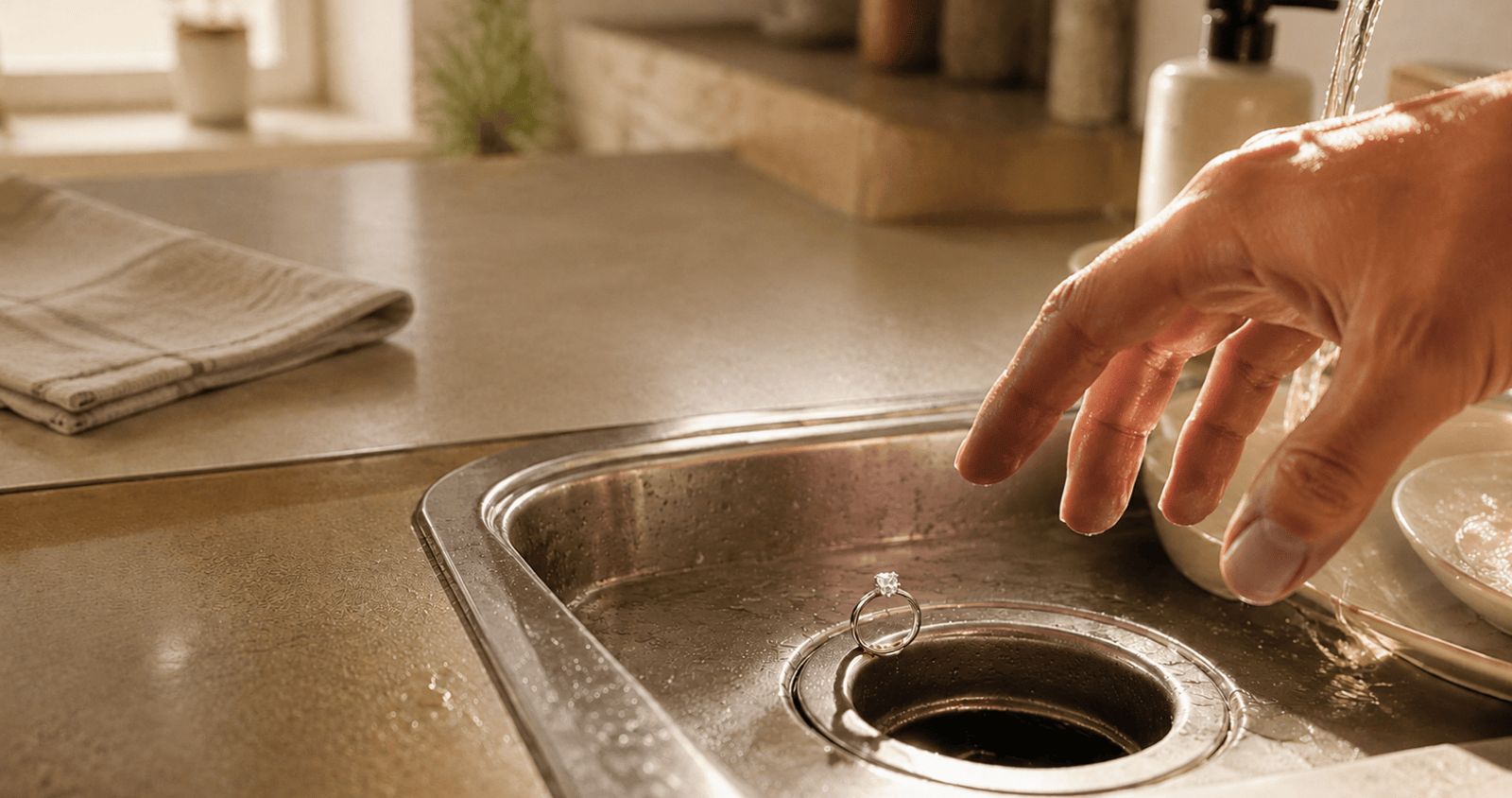
You take it off to wash dishes and it goes down the drain. Your policy pays nothing at all.
Same ring, same value, same week. The difference is that theft is a named peril and losing something is not. Insurers call the second one mysterious disappearance, and it sits outside a standard renters policy entirely.
That gap catches people who were certain they were covered.
The Cap Applies To All Of It At Once
Most renters policies limit jewelry to somewhere around one thousand to twenty five hundred dollars. Here is the part people misread. That figure covers your entire jewelry collection combined, not each piece.
A four thousand dollar ring against a fifteen hundred dollar cap leaves you short before your deductible even enters the picture.
And the biggest misconception in this whole subject is thinking a thirty thousand dollar personal property limit means any single item up to thirty thousand is protected. It does not work that way. Category caps sit underneath the headline number and quietly override it.
One Detail Almost Every Article Gets Wrong
The jewelry cap generally applies to theft.
If your apartment burns and the ring is destroyed in the fire, many policies pay up to full replacement value rather than stopping at the sublimit. Same for certain water damage events.
So the exposure is narrower than it first appears, but it lands exactly where jewelry losses actually happen. Theft and loss are how rings disappear. Fire is not.
Check your own policy language rather than assuming, because carriers structure this differently.
Four Things Scheduling Actually Changes
Adding a scheduled personal property endorsement, sometimes called a rider or a floater, does more than raise a number.
It erases the cap. Schedule a six thousand dollar ring and it is insured at six thousand, not fifteen hundred.
It covers loss. Scheduled items typically include accidental loss and mysterious disappearance. The drain scenario becomes a paid claim.
It usually drops the deductible to zero. Most endorsements let you choose no deductible on scheduled items specifically.
It follows you. Coverage generally applies worldwide rather than only inside your apartment.
That fourth point matters more than people expect. Jewelry goes missing on vacation, at the gym, in hotel rooms.
What It Costs
Scheduling typically runs one to three percent of the item's value per year.
So a five thousand dollar ring lands somewhere around fifty to one hundred fifty dollars annually. Set that against losing the ring entirely and the arithmetic is not difficult.
An appraisal from a certified gemologist usually costs fifty to one hundred fifty dollars on top, and insurers generally require one before they will schedule a piece.
Scheduling Versus Raising The Whole Category
Not everyone should itemize.
Schedule individually when you own one or two genuinely valuable pieces. An engagement ring, an inherited watch, something worth several thousand on its own.
Buy a blanket endorsement instead when you own several mid value pieces. This raises your overall jewelry limit, say from fifteen hundred to five thousand, without listing every item. Simpler, though it often keeps a per item cap and may not add mysterious disappearance coverage.
Ask which one your carrier offers before assuming scheduling is the only route.
The Appraisal Problem Nobody Mentions
Here is a number worth pausing on. Roughly twenty nine percent of scheduled jewelry items are undervalued because the appraisal behind them was never updated.
Think about what that means. Those people did everything right. They scheduled the item, paid the premium, and still would not be made whole after a loss, because the paperwork reflects prices from years ago.
Most insurers accept appraisals three to five years old. Some cap it at three. Gold and diamond prices move, and an appraisal from 2018 is not describing today's replacement cost.
Two practical rules. Get a fresh appraisal before scheduling anything inherited or older than a few years. Then revisit it every three to five years, or after any significant move in metal prices.
If You Only Do One Thing
Photograph your jewelry today. Each piece, from a few angles, with something for scale.
Store those images somewhere that is not your phone, since your phone is one of the things that gets stolen. Save receipts and any existing appraisal in the same place.
Documentation will not raise your limit. It will decide how quickly and how generously a claim gets settled, and adjusters value conservatively when they have nothing to work from.
The Practical Version
Add up what your jewelry would cost to replace today. If that total sits above roughly fifteen hundred dollars, your standard policy is not covering it.
From there it is one phone call. Ask your insurer for your exact jewelry limit, whether they offer blanket or scheduled coverage, and what an appraisal needs to look like.
For a piece that matters, the annual cost is usually smaller than what people spend on coffee in a month. The reason most renters skip it is not price. It is that nobody ever told them the cap existed.
This article is for general educational purposes and is not a substitute for reviewing your actual policy documents. Sublimits, endorsement availability, appraisal requirements, and pricing vary by insurer and by state.
Some images in this article were generated using artificial intelligence and are for illustrative purposes only.