The Gap Is Real, And Smaller Than The Headline
Electric vehicles cost more to insure than gas cars. That much is settled and the figures are consistent.
Recent data puts the national average for an EV at around three thousand one hundred fifty nine dollars a year against two thousand two hundred eighteen for a gas vehicle, a difference of roughly nine hundred forty one dollars, or about forty two percent.
Now the qualification that makes the number honest.
That gap narrows to around eighteen percent when comparing only newer model years. Broader analyses covering the last few years put the difference closer to fifteen to thirty percent on average, with some models now at parity with their gas equivalents or cheaper.
Which means the headline figure is partly measuring something other than electric drivetrains, and the next section explains what.
The Category Skews Luxury
The distortion buried in every EV insurance average.
A large share of the EV market still consists of premium vehicles. Teslas, Audi e-trons, Rivians, and Lucids sit in a price bracket where any car costs more to insure.
The spread across models makes the point. Annual full coverage premiums across one analysis of thirty three EV models ranged from about one thousand nine hundred forty seven dollars for a Chevrolet Silverado EV to ten thousand four hundred two for an Audi SQ8 e-tron.
That is a spread exceeding eight thousand dollars inside a single category.
The Silverado EV figure is close to what a comparable gas truck costs. Which tells you that electric propulsion itself is not the whole story, and that the model you choose matters far more than the fuel it uses.
If you are comparing an EV against a gas car, compare those two specific vehicles rather than category averages.
Four Reasons The Repair Bill Runs Higher
The genuine drivers, and they are about economics rather than accident frequency.
Proprietary parts. Many EV components, particularly battery packs, sensors, and drive units, are manufacturer specific. The aftermarket parts ecosystem that keeps gas car repairs affordable barely exists yet, which means original manufacturer parts at full price.
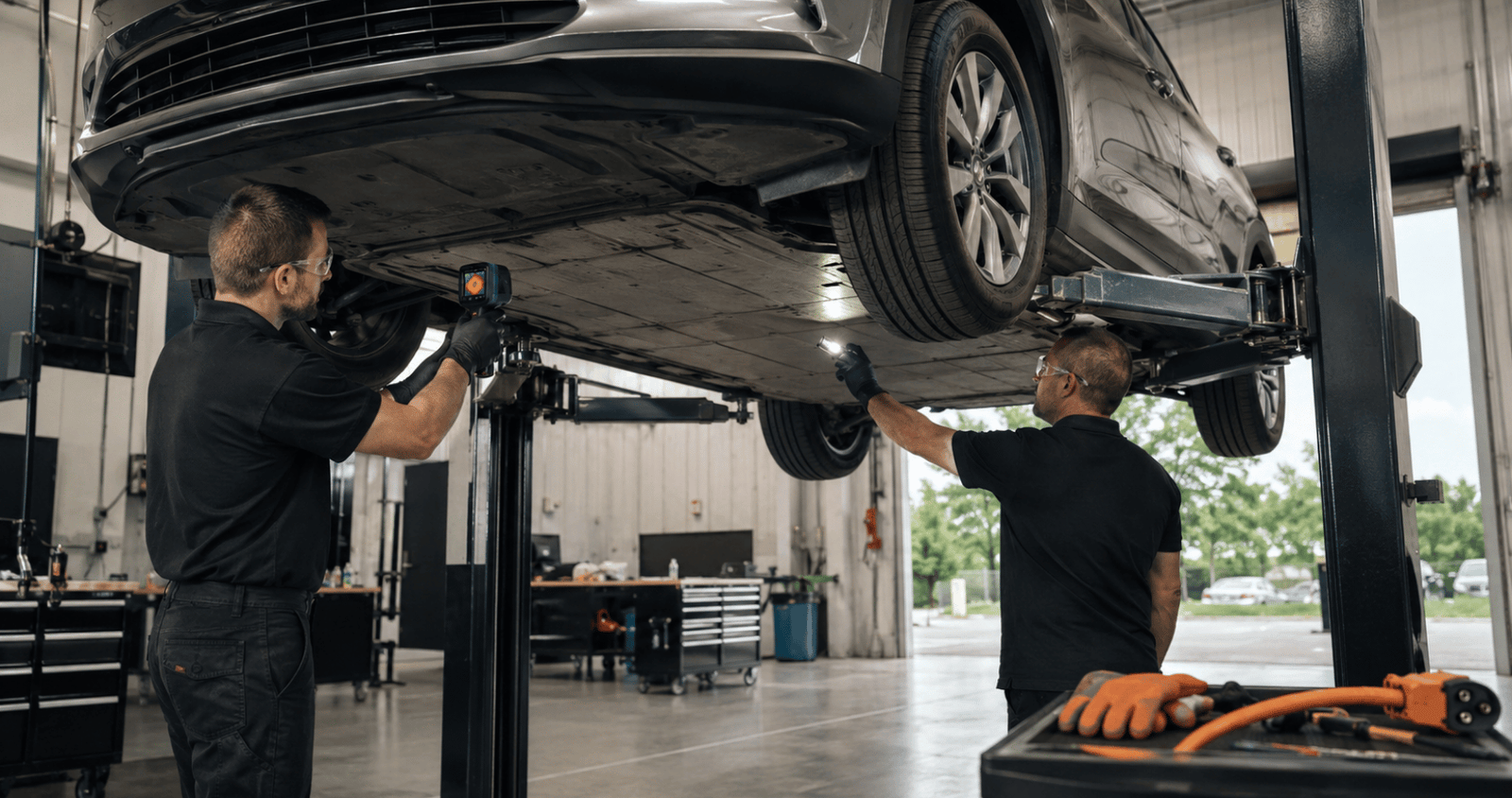
Specialized labor. Repairs require technicians certified on high voltage systems, and fewer shops carry that certification. Limited competition raises labor rates.
Sensor recalibration. Most EVs carry cameras, sensors, and radar controlling lane keeping and automatic braking. Even a minor collision can require recalibration or replacement of those systems, adding hundreds or thousands to a bill.
Higher replacement value. Popular EV models sit in the forty to seventy thousand dollar range, and comprehensive and collision premiums scale with vehicle value regardless of drivetrain.
Industry claims data puts the average EV repair bill more than one thousand thirty dollars higher than a comparable gas vehicle repair.
The Battery Is The Whole Problem
The single factor doing the most work.
A battery pack frequently represents thirty to forty percent of a vehicle's total value, and replacement costs run from around four thousand dollars at the low end to twenty thousand for larger packs. Replacement on some popular models has been quoted at fifteen thousand to twenty thousand.
Which creates a consequence that shapes pricing more than any other.
Insurers write off EVs at lower damage thresholds than gas cars, because inspecting or replacing a compromised pack can approach the value of the vehicle, and certifying a damaged battery as safe is difficult.
So a moderate collision involving the battery enclosure frequently produces a total loss rather than a repair.
That raises the probability that any given claim results in the insurer paying the full vehicle value rather than a partial repair, and that probability feeds straight back into what you pay each month.
Worth noting the honest counterpoint. Plenty of EVs are repaired every day, the total loss narrative is often overstated, and the trend is toward greater repairability as parts costs fall and more shops train.
Repairs Take Longer, And That Costs Too
A less obvious contributor with a direct effect.
Industry data cited puts average EV repair time at around fifteen point six days against twelve point seven for gas vehicles.
Three extra days does not sound expensive until you consider who pays for the rental car during them.
Longer repairs mean longer rental reimbursement periods for insurers, and that cost is priced into premiums alongside the parts and labor.
For an owner, it also means a practical question worth asking before buying a policy. What rental reimbursement limit applies, and is the daily cap and total cap sufficient for a repair running two weeks or more.
What Is Actually Different About The Coverage
Less than most people expect, and worth stating clearly.
An EV policy contains the same components as any other. Liability, collision, comprehensive, uninsured motorist coverage, and medical payments where applicable.
Three things deserve extra attention.
Higher liability limits. Since EVs carry higher purchase prices and repair costs, a collision you cause involving another EV produces a larger property damage claim. State minimum property damage limits are inadequate against a fifty thousand dollar vehicle.
Rental reimbursement, for the repair time reasons above.
Roadside assistance, which many EV insurers offer and which covers situations including a dead battery and towing to a repair shop. Worth confirming the towing distance allowance, since not every shop can service the vehicle.
Some carriers also offer coverage for home charging equipment, either on the auto policy or through a homeowners endorsement. Ask where a damaged wall charger would be covered before you need to know.
The Gap Is Closing
Context that matters if you are deciding now.
Early studies showed EVs costing forty to sixty percent more to insure. Newer analyses put the gap at fifteen to thirty percent, with some models reaching parity.
Three forces are behind that.
More shops are training on high voltage systems, which reduces the labor bottleneck.
Parts costs are falling as volumes rise and an aftermarket begins to develop.
The model mix is broadening beyond luxury vehicles, which pulls category averages down independently of anything else changing.
Which means an EV premium quoted today is not a permanent condition, and shopping annually captures the improvement as it arrives.
Shopping Matters More Here
The single most actionable point in the article.
Actual quotes vary by fifteen hundred dollars or more between carriers for the same vehicle and the same driver.
That spread is wider on EVs than on gas cars, because carriers are pricing an evolving risk with limited historical data and they are reaching different conclusions about it.
Which means the gap between the best and worst quote for your EV may exceed the entire gap between EVs and gas cars.
Get four or five quotes rather than three, use identical coverage figures, and include carriers with competitive base rates rather than only those advertising EV features.
Ask About Discounts That Apply To You
Several carriers offer credits relevant to electric vehicles or to how they are typically driven.
Green vehicle or alternative fuel discounts, offered by some carriers though not universally.
Low mileage discounts, which suit many EV owners since range planning frequently produces lower annual mileage.
Telematics programs, which pay drivers with steady habits and are worth pricing given EV owners often drive predictable routes.
Bundling, which applies as it does to any policy.
Safety feature credits, since EVs typically carry extensive driver assistance systems that some carriers reward.
Ask for each by name. Carriers apply what they know about, and EV specific credits are among the least likely to be applied automatically.
The Total Ownership Picture
Fair framing, because insurance is one line in a longer calculation.
EVs cost about three hundred thirty dollars less per year in maintenance than gas vehicles, averaging roughly nine hundred forty nine dollars annually, according to a driving costs study.
Fuel savings sit on top of that, and vary considerably by local electricity and gasoline prices.
One ten year comparison estimated around sixteen thousand dollars of insurance for an EV against fourteen thousand for a similar gas car at fifteen thousand miles a year.
Which means the insurance difference is real and frequently outweighed by fuel and maintenance savings over a full ownership period.
The arithmetic flips against you in three situations. An expensive EV, very low annual mileage, or a state with unusually high EV premiums combined with cheap local gasoline.
One further change worth noting. The federal purchase credits for new and used EVs ended for vehicles acquired after September 2025, which removes a subsidy that previously offset part of the higher purchase price.
When The Numbers Do Not Work
Honest cases where an EV is the wrong financial choice, whatever else recommends it.
You drive very little, which minimizes fuel and maintenance savings while the insurance gap remains fixed.
Your state prices EVs unusually high or has a thin repair network.
The only EVs meeting your needs are expensive low volume models, which sit at the top of every premium table.
You are cross shopping a discounted gas car with cheap parts and a long reliability record.
Your quotes remain high after shopping properly, which is a signal rather than something to push through.
None of that argues against EVs generally. It argues for running your own numbers rather than accepting either the enthusiast case or the skeptical one.
Before You Buy The Car
The step that costs nothing and gets skipped constantly.
Quote insurance on the specific model you are considering before you buy, not after.
Given a spread exceeding eight thousand dollars across EV models, the difference between two candidate vehicles can exceed a thousand dollars a year, and it is far easier to discover before you own one.
Three questions worth asking at the same time.
Is there a certified repair facility near me for this manufacturer, since repair network density affects both cost and downtime.
What does battery replacement cost on this model, and what does the manufacturer warranty cover.
How does my chosen carrier treat this specific model, since some price certain manufacturers considerably better than others.
The Version Worth Remembering
The average gap is forty two percent, the honest gap on newer vehicles is closer to eighteen, and a meaningful share of even that is the luxury skew in the EV market rather than the drivetrain.
The real drivers are repair economics. Proprietary parts, certified technicians, sensor recalibration, and a battery pack expensive enough to total a car that would otherwise be repaired.
All of which is improving as shops train and parts volumes rise.
Two actions capture most of what is available. Quote the specific model before you buy it, and get four or five quotes rather than accepting the first, because the spread between carriers on an EV frequently exceeds the spread between an EV and a gas car.
This article is for general educational purposes and is not insurance or financial advice. Premiums, repair costs, battery pricing, and available discounts vary significantly by model, insurer, and state and are changing quickly. Confirm your own figures with carriers directly.
Some images in this article were generated using artificial intelligence and are for illustrative purposes only.