Three Claims Seattle Renters File More Than Most
Every city has a signature loss. Seattle has three, and two of them run straight into limits most renters have never looked at.
Bikes disappearing from shared building bike rooms. Packages vanishing from doorsteps, in a metro that has ranked second in the country for package theft. And the high rise water incident where a renter causes twelve thousand dollars of damage to someone else's apartment without ever touching it.
Here is how each one actually plays out on a policy.
Claim One, The Bike Room
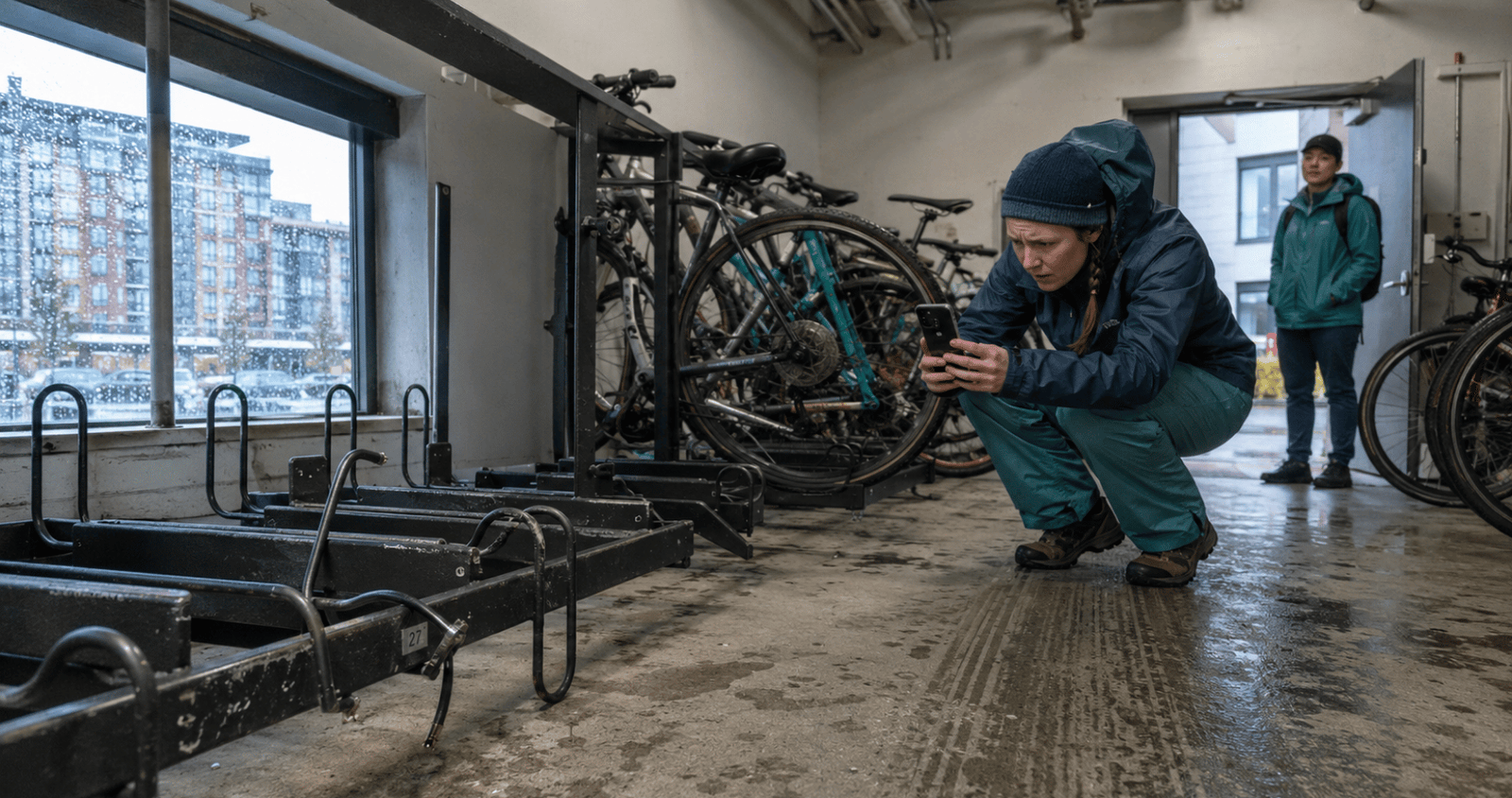
A renter in Ballard had two bikes taken from his building's shared bike room. A commuter bike worth twelve hundred dollars and a road bike worth thirty four hundred. His policy covered both, minus a five hundred dollar deductible, because personal property coverage extends to theft even outside the apartment itself.
Without a policy he would have absorbed four thousand six hundred dollars.
That is the version that works. Here is the version that does not.
The Bike Sublimit Almost Nobody Checks
Most standard renters policies cap bicycles and sporting equipment at around twenty five hundred dollars total. Not per bike. For the whole category.
And when a bike is stolen away from your building rather than inside it, off premises limits apply, with payouts often capped near fifteen hundred dollars depending on the carrier.
Run that against Seattle bike prices. A single road bike can exceed the entire category cap. A commuter bike plus a weekend bike almost certainly does.
The fix is scheduling. A scheduled personal property endorsement lists the bike individually at an agreed value, removes the category cap, and often eliminates the deductible on that item.
One more thing worth knowing. Insurers can deny a bike theft claim if the bike was not locked, treating it as negligence. Lock it even in a building bike room, and keep a photo of it locked if you want a clean claim.
Claim Two, The Porch
A national analysis placed the Seattle Tacoma metro second among major US metros for package theft.
That is not a small category anymore. Estimates put nationwide package theft in the hundreds of millions of packages annually, and the number has been climbing.
Packages are covered under personal property, including theft from outside your door. The complication is arithmetic rather than coverage.
A stolen forty dollar package against a five hundred dollar deductible produces nothing. A stolen laptop delivery is a different conversation.
So the practical response to package theft in this city is mostly logistical rather than insurance based. Package lockers, delivery to a workplace, hold at location, and signature requirements do more than a policy will.
Save the claim for the deliveries that actually matter.
Claim Three, The One You Cause
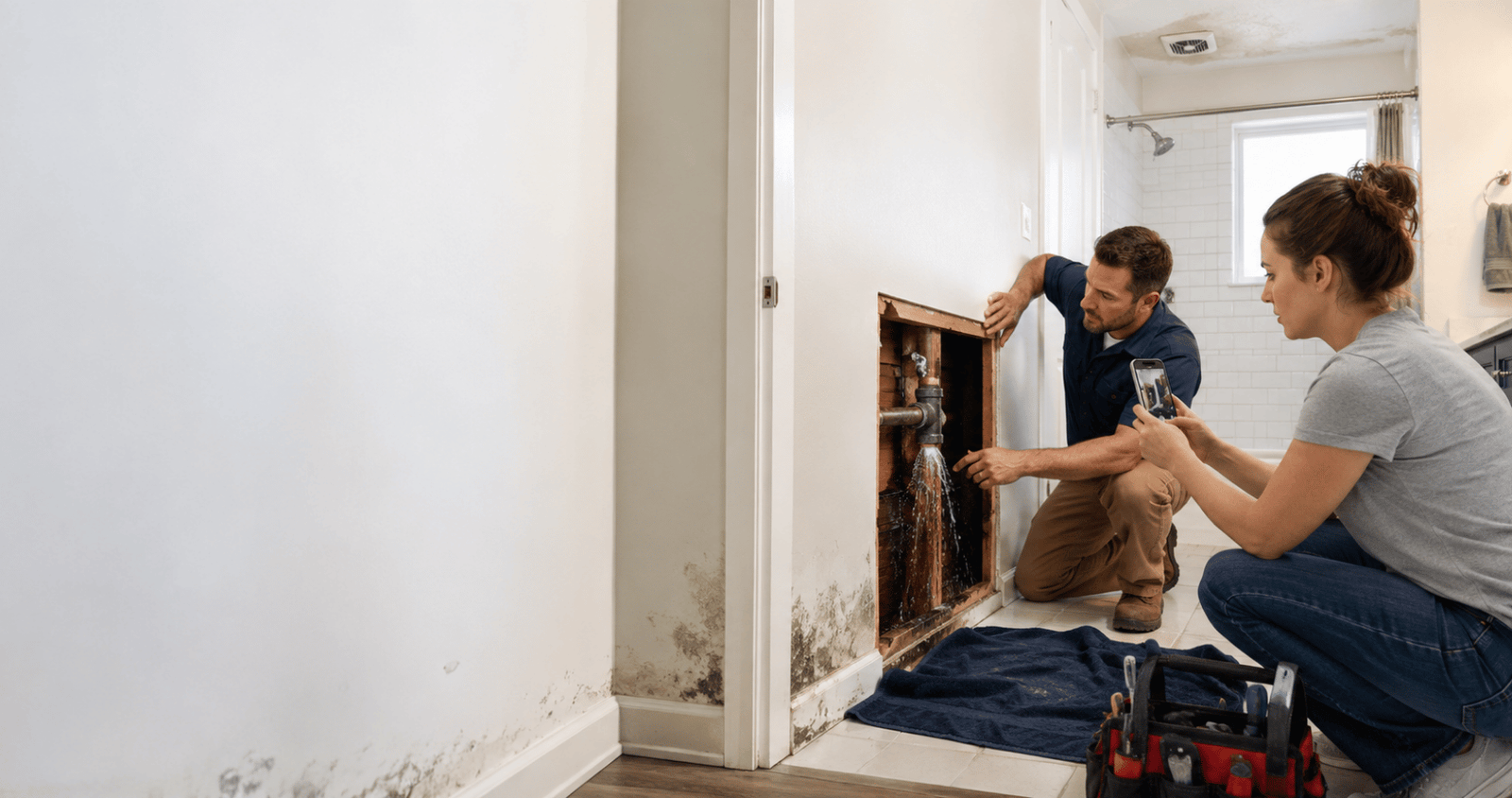
A renter in a high rise near Westlake left a bathroom faucet running with a clogged drain and went to work. Water ran for hours and flooded the unit below, causing twelve thousand dollars in damage to the downstairs neighbor's apartment and belongings.
His liability coverage handled the entire bill. Without it, the building's management company and the downstairs neighbor would both have been sending demand letters.
This is the Seattle claim most renters never anticipate, and it is the reason your liability limit deserves more attention than your personal property limit.
Why Liability Matters More In A Tower
In a detached house, a water incident is your problem. In a high rise, it is your problem and everyone below you.
Water travels down through floors, ceilings, and shared walls, and one unattended faucet can affect several units. So can a washing machine hose, an overflowing tub, or an aquarium.
Most policies start liability at one hundred thousand dollars. The Westlake example consumed twelve thousand of it, which sounds comfortable until you picture the same incident in a building where three units take damage instead of one.
Raising the limit to three hundred thousand typically costs a few dollars a year. In dense vertical housing it is the best value change on the policy, and almost nobody makes it.
What Seattle Renters Pay
Figures vary by carrier more than by neighborhood.
One carrier puts its Seattle average around ten to fifteen dollars a month. Broader estimates for the city run fifteen to thirty five, depending on coverage level and deductible.
Two factors move it within the city.
Neighborhood. A studio in Belltown costs a bit more than a one bedroom in Shoreline, because denser neighborhoods generate more theft claims.
Building type. Older wood frame buildings, of which Seattle has many, especially on Capitol Hill and in Fremont, price slightly higher than newer concrete construction.
Why Raising Your Deductible Barely Helps Here
A useful counterpoint to standard advice.
In most articles, raising your deductible from five hundred to one thousand dollars is presented as a reliable saving. One Seattle rate analysis puts that saving at roughly twelve dollars a year.
Twelve dollars. Against doubling what you pay out of pocket on every claim.
In a city where bike theft, package theft, and break ins are common, a lower deductible is arguably worth keeping. The claims you are most likely to file here are mid sized ones, and those are exactly the claims a thousand dollar deductible eliminates.
Bundling with auto is the discount worth chasing instead, typically five to fifteen percent, and discounts generally can reduce a premium by five to twenty five percent when stacked.
The Cash Limit Is Smaller Than You Think
While you are checking sublimits, check this one.
Cash carries a hard cap on most policies, commonly around two hundred dollars. If five hundred dollars is taken from your apartment, you receive two hundred, regardless of your total coverage.
There is no endorsement that fixes this in a meaningful way. The practical answer is not keeping meaningful cash at home.
What A Break In Actually Costs
A third real Seattle example, from a ground floor apartment in the U District broken into during class.
Laptop at eighteen hundred dollars. Headphones at three hundred fifty. A camera at twenty two hundred. Miscellaneous items on top. Total around fifty five hundred dollars.
That is one afternoon, in a single apartment, and it is why the average renter owning twenty thousand to fifty thousand dollars of personal property should not be carrying a fifteen thousand dollar limit.
Walk your apartment room by room and total replacement costs. Then pick a number that covers it.
Recovering A Stolen Bike In This City
Worth its own section, because Seattle recovers more bikes than most places and the process depends entirely on preparation you do beforehand.
Record the serial number now. It is stamped into the frame under the bottom bracket, where the crank arms meet. Photograph it and store the image somewhere that is not your phone.
Without that number a recovered bike sits in a property room and eventually goes to auction. With it, police can match a recovered frame to a report.
Register it. National bike registries and some local programs let you log the serial number, photos, and identifying details. Registration is free and it is what turns a recovered frame into your recovered frame.
File the police report the same day. Insurers require one, and recovery efforts run on the report.
Check local marketplace listings for two weeks. Stolen bikes surface fast and often nearby. Do not attempt to retrieve one yourself, though. Report the listing to police.
Ten minutes of preparation changes the odds substantially, and it costs nothing.
Renting In An Older Building
Seattle has a lot of wood frame housing built well before modern electrical and plumbing standards, particularly in Capitol Hill, Fremont, and the older parts of Ballard.
Two implications.
Report electrical warning signs immediately and in writing. Flickering lights, buzzing outlets, warm cover plates. Safety first, and the written record protects your claim if that hazard later causes damage.
Report any leak the day you see it. In older buildings the line between a covered sudden loss and a denied gradual one is frequently just the date on an email.
Older buildings also price slightly higher than newer concrete construction, which is worth knowing when you compare quotes across two apartments you are considering.
Two Coverages Worth Adding Here
Identity theft protection. Increasingly offered as an endorsement, covering costs associated with restoring your identity including legal fees, lost wages, and credit monitoring. Worth pricing in any dense urban market.
Scheduled personal property. For bikes above the category cap, camera gear, and anything else where a sublimit would leave you short. This is the single most relevant endorsement for a Seattle renter, given how much expensive portable equipment people here own.
Setting Your Numbers
Three lines on your declarations page decide most outcomes.
Personal property. The average renter owns twenty thousand to fifty thousand dollars worth. Count yours rather than accepting a default.
Settlement basis. Actual cash value pays depreciated value. Replacement cost pays what a comparable new item costs today. On a three year old laptop that difference is large.
Liability. One hundred thousand is the common starting point. If you have meaningful assets or live above other units, three hundred thousand to five hundred thousand is the sensible range.
Getting The Price Down
Request quotes from at least three insurers, since pricing varies significantly and the savings from switching can reach hundreds of dollars a year.
Bundle with auto if you drive.
Ask about discounts for deadbolts, smoke alarms, and monitored security systems.
Skip the deductible increase unless the twelve dollar saving genuinely matters more to you than the out of pocket exposure.
The Short Version
Seattle renters lose bikes, packages, and downstairs neighbors' ceilings. The first two run into sublimits. The third runs into your liability limit.
Three things settle it. Schedule any bike or camera worth more than a couple thousand dollars. Raise your liability limit if you live above anyone. And count your belongings honestly, because a single U District break in came to fifty five hundred dollars.
For broader Washington coverage questions, including the earthquake gap that sits outside every standard policy in this state, that is a separate and larger conversation.
This article is for general educational purposes and is not insurance advice. Cost figures reflect published surveys and carrier data with differing assumptions and will not match your quote. Sublimits, coverage terms, and endorsement availability vary by insurer.
Some images in this article were generated using artificial intelligence and are for illustrative purposes only.